Interfacing the real world: Sensors
Movement
Accelerometer
An accelerometer is a tool that measures proper acceleration. Proper acceleration is the acceleration (the rate of change of velocity) of a body in its own instantaneous rest frame; this is different from coordinate acceleration, which is acceleration in a fixed coordinate system. For example, an accelerometer at rest on the surface of the Earth will measure an acceleration due to Earth's gravity, straight upwards (by definition) of g ≈ 9.81 m/s2. By contrast, accelerometers in free fall (falling toward the center of the Earth at a rate of about 9.81 m/s2) will measure zero.
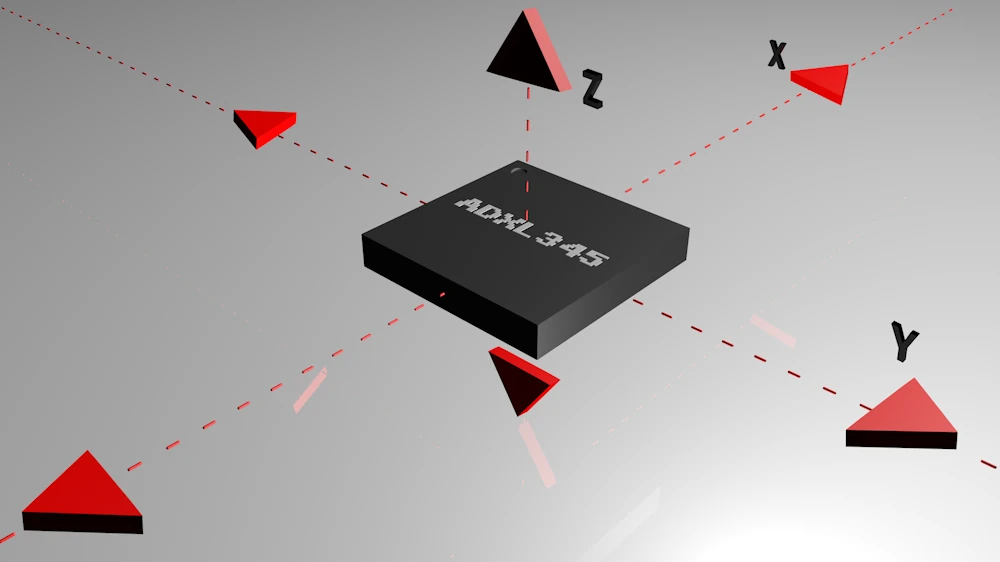
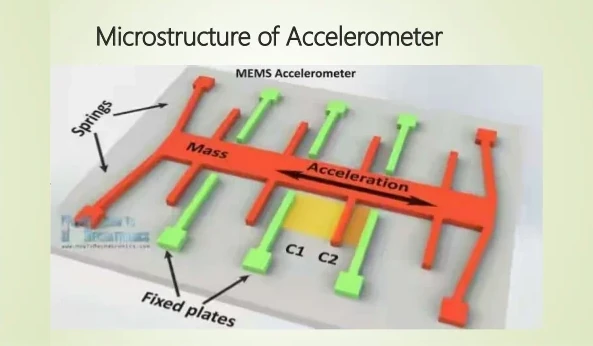
Accelerometer Basics in learn.sparkfun
How an accelerometer works! video on youtube
Giroscope
Gyroscopes, or gyros, are devices that measure or maintain rotational motion. MEMS (microelectromechanical system) gyros are small, inexpensive sensors that measure angular velocity. The units of angular velocity are measured in degrees per second (°/s) or revolutions per second (RPS). Angular velocity is simply a measurement of speed of rotation.
📖 sparkfun
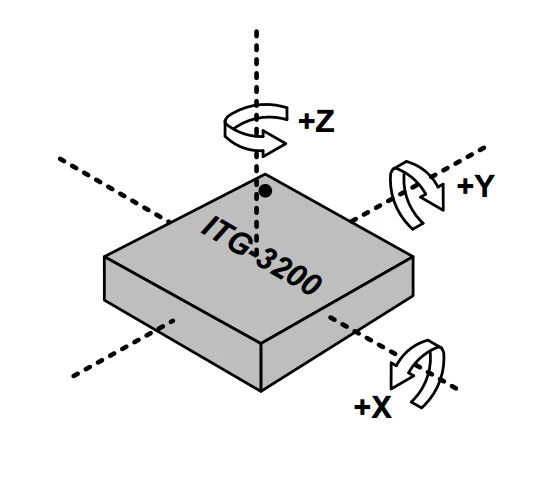
IMU (Inertial Movement Unit)
An inertial measurement unit (IMU) is an electronic device that measures and reports a body's specific force, angular rate, and sometimes the orientation of the body, using a combination of accelerometers, gyroscopes, and sometimes magnetometers. When the magnetometer is included, IMUs are referred to as IMMUs

🖼 from an interesting article on Advanced Navigation web
Tutorial on understanding IMU data on thecontinuum
Accelerometer, Gyro and IMU Buying Guide on learn.sparkfun
Passive Infrared Sensor (PIR sensor)
A passive infrared sensor (PIR sensor) is an electronic sensor that measures infrared (IR) light radiating from objects in its field of view. They are most often used in PIR-based motion detectors. PIR sensors are commonly used in security alarms and automatic lighting applications.
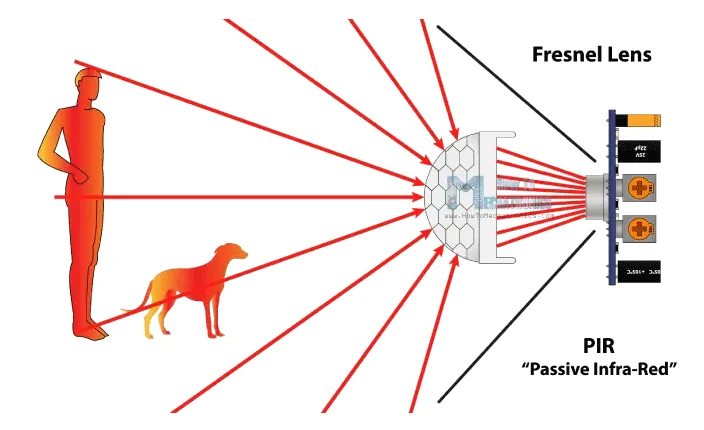
PIR Motion Sensor in learn.adafruit
Rotary encoder
A rotary encoder, also called a shaft encoder, is an electro-mechanical device that converts the angular position or motion of a shaft or axle to analog or digital output signals.
Optical: This uses a light shining onto a photodiode through slits in a metal or glass disc. Reflective versions also exist. This is one of the most common technologies. Optical encoders are very sensitive to dust.
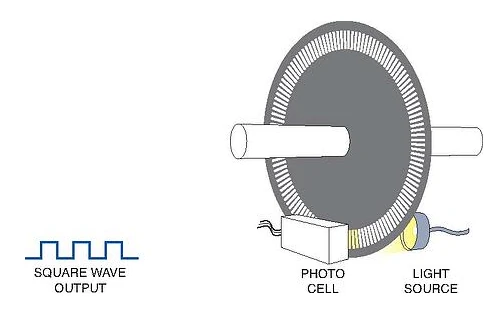
Optical motion sensor
Optical flow or optic flow is the pattern of apparent motion of objects, surfaces, and edges in a visual scene caused by the relative motion between an observer and a scene. Optical flow can also be defined as the distribution of apparent velocities of movement of brightness pattern in an image
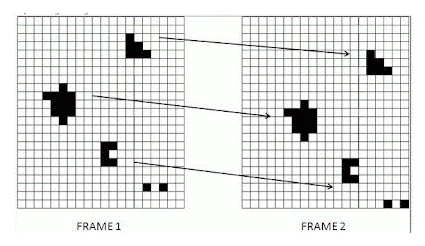

🖼️ source
Optical mouse on wikipedia
ADNS9800 optical motion sensor on tindie.com
A Comprehensive guide to Motion Estimation with Optical Flow in nanonets.com
Hack an optical mouse into a camera with Arduino and Processing on youtube
What does a computer mouse see? on youtube
Position
GPS
The Global Positioning System (GPS), originally Navstar GPS, is a satellite-based radionavigation system owned by the United States government and operated by the United States Space Force. It is one of the global navigation satellite systems (GNSS) that provides geolocation and time information to a GPS receiver anywhere on or near the Earth where there is an unobstructed line of sight to four or more GPS satellites. It does not require the user to transmit any data, and operates independently of any telephonic or Internet reception, though these technologies can enhance the usefulness of the GPS positioning information.
China's BeiDou Navigation Satellite System began global services in 2018, and finished its full deployment in 2020. There are also the European Union Galileo navigation satellite system, and India's NavIC. Japan's Quasi-Zenith Satellite System (QZSS) is a GPS satellite-based augmentation system to enhance GPS's accuracy in Asia-Oceania, with satellite navigation independent of GPS scheduled for 2023.
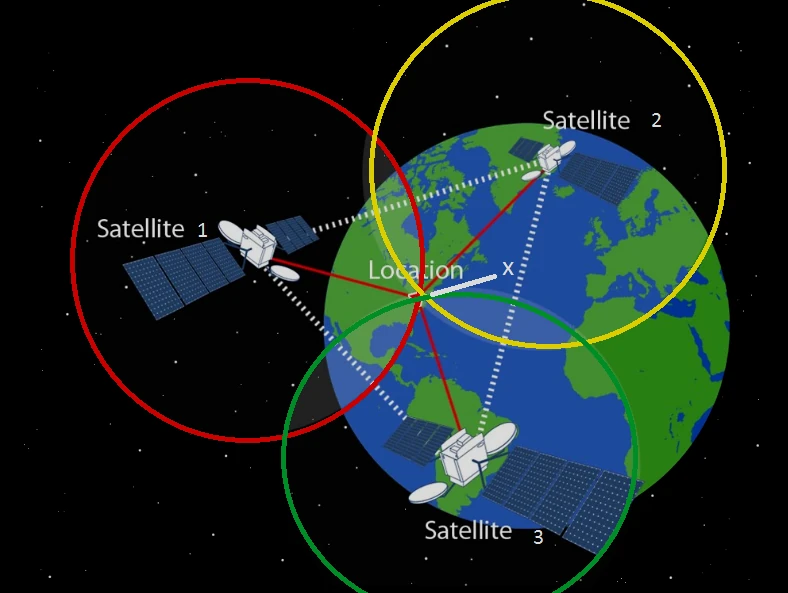
GPS Basics in learn.sparkfun
GPS - The GPS Constellation video (1 of 100!)
Scott Manley explains GPS Jamming on hackaday.com and an interesting video on youtube.com
If you want to go really deep on GPS understanding, you should check this repo on building one from the ground up ongithub.com
An interesting article: Gladys West Modelled The Earth So That We Can Have GPS on hackaday.com
Tilt sensor
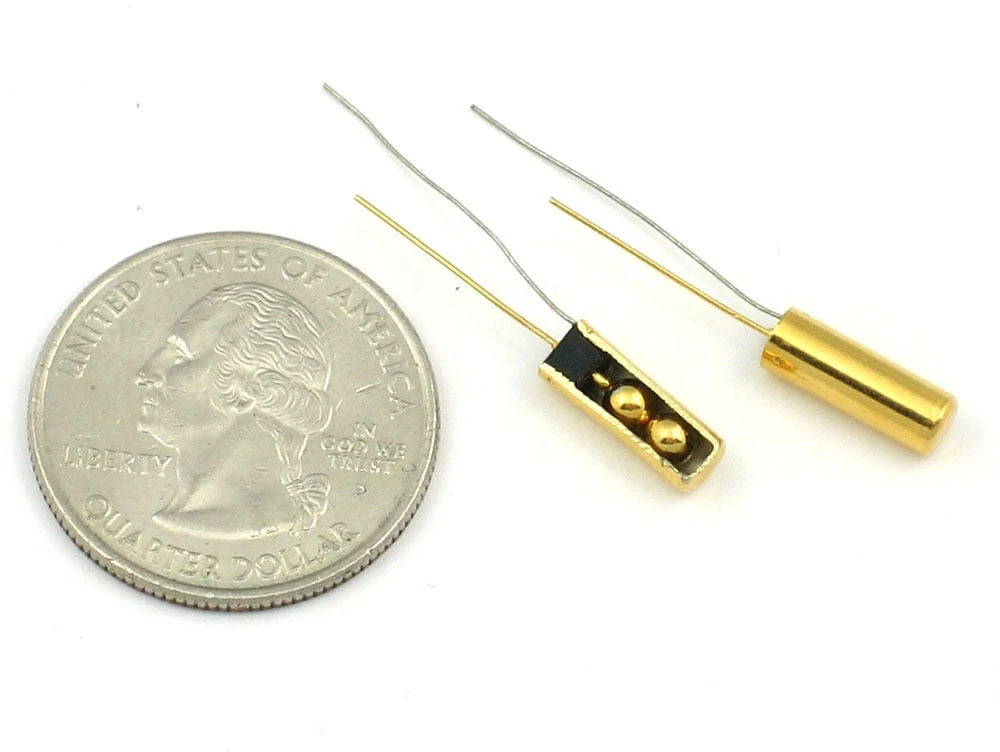
Tilt sensors allow you to detect orientation or inclination. They are small, inexpensive, low-power and easy-to-use. If used properly, they will not wear out. Their simplicitiy makes them popular for toys, gadgets and appliances. Sometimes they are referred to as "mercury switches", "tilt switches" or "rolling ball sensors" for obvious reasons.
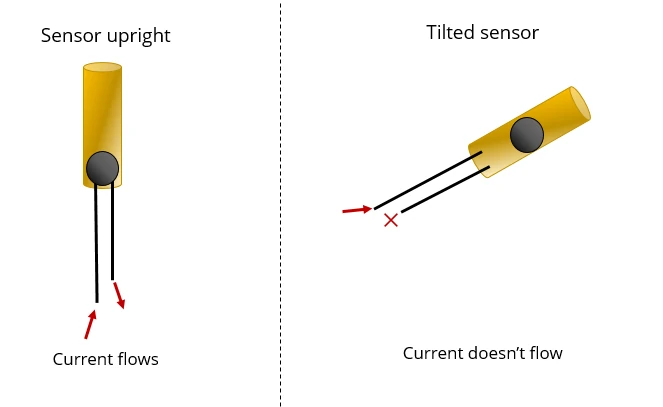
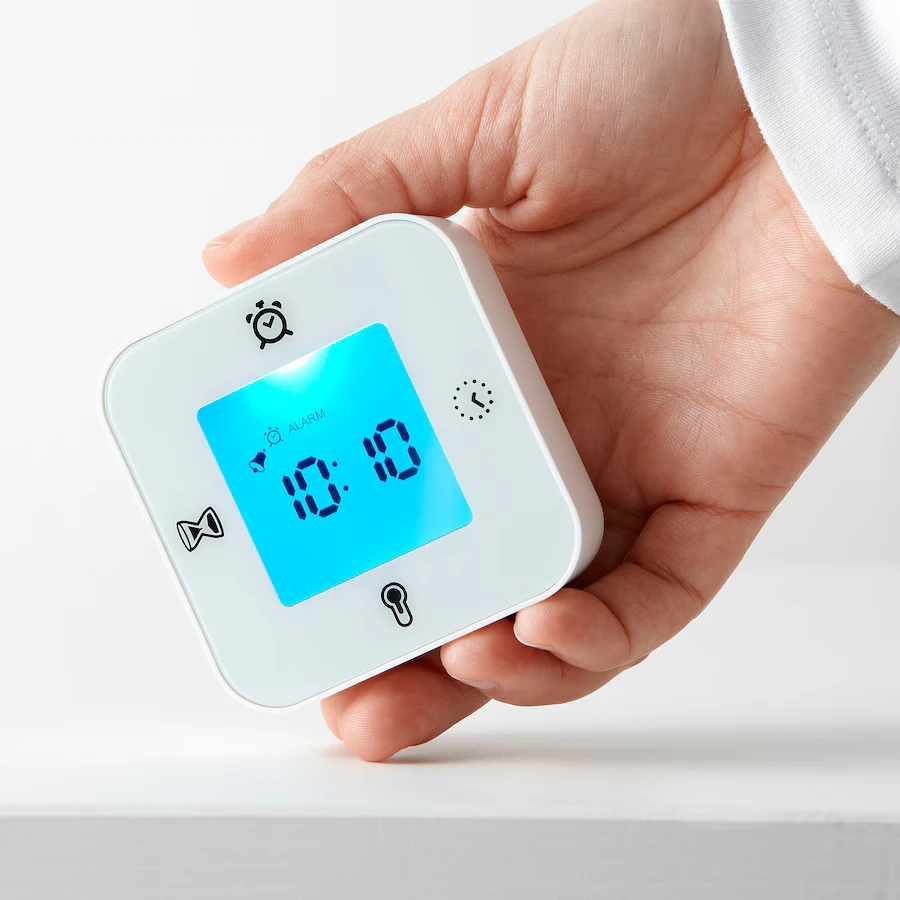
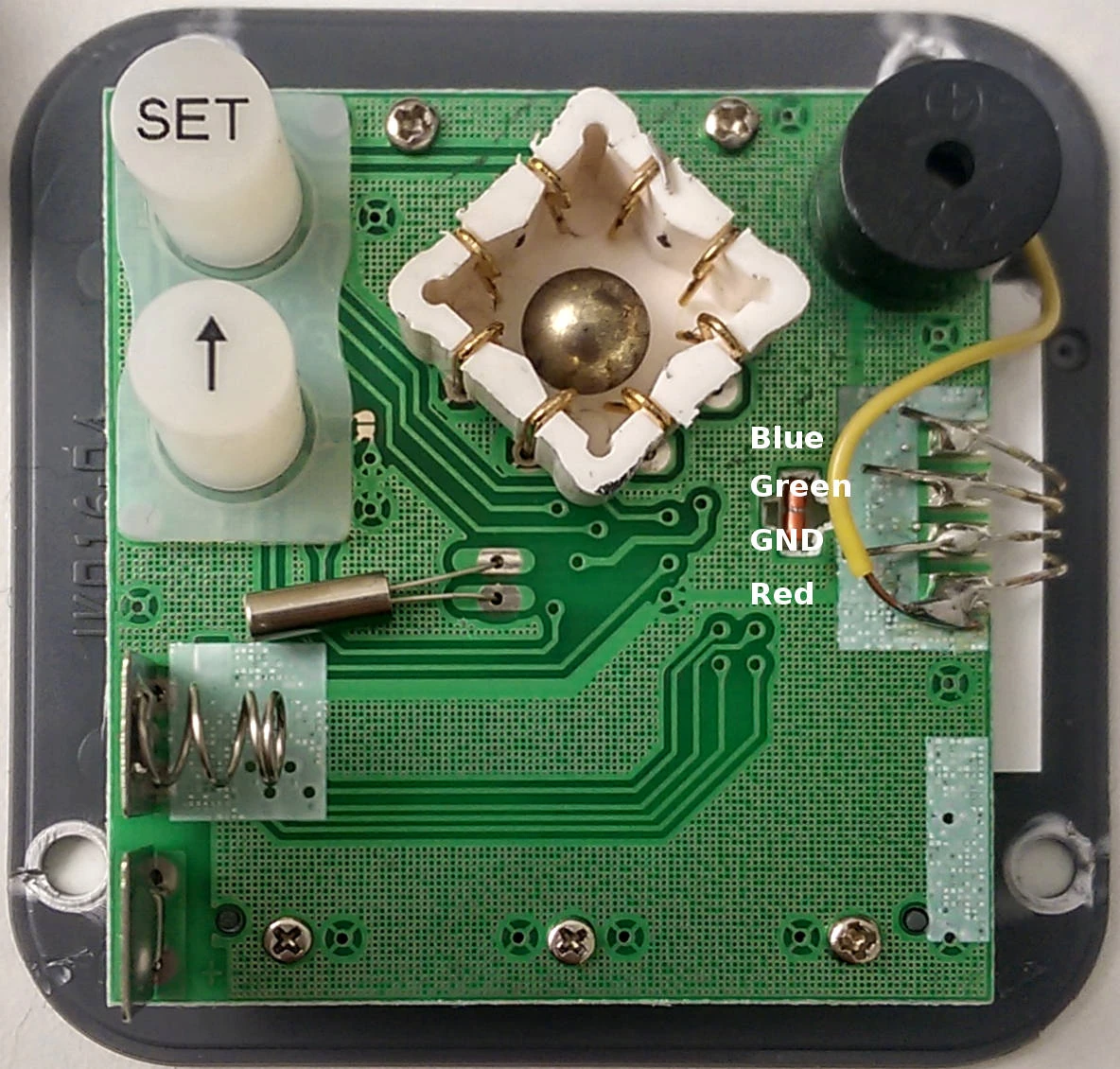
A really simple tecnology that can be used in all type of devices, look at how this IKEA clock is able to detect its orientation, and use it to decide in wich mode (temperature, clock, timer or alarm setup) it will work:
Cada lado del reloj tiene una función diferente: hora/fecha, alarma, temperatura y temporizador.
📖 ikea.es
Tilt Sensor on learn.adafruit
Interfacing Tilt Sensor with Arduino on youtube
Proximity
A proximity sensor is a sensor able to detect the presence of nearby objects without any physical contact. A proximity sensor often emits an electromagnetic field or a beam of electromagnetic radiation (infrared, for instance), and looks for changes in the field or return signal.
Ultrasound
Ultrasonic transducers and ultrasonic sensors are devices that generate or sense ultrasound energy. They can be divided into three broad categories: transmitters, receivers and transceivers. Transmitters convert electrical signals into ultrasound, receivers convert ultrasound into electrical signals, and transceivers can both transmit and receive ultrasound.
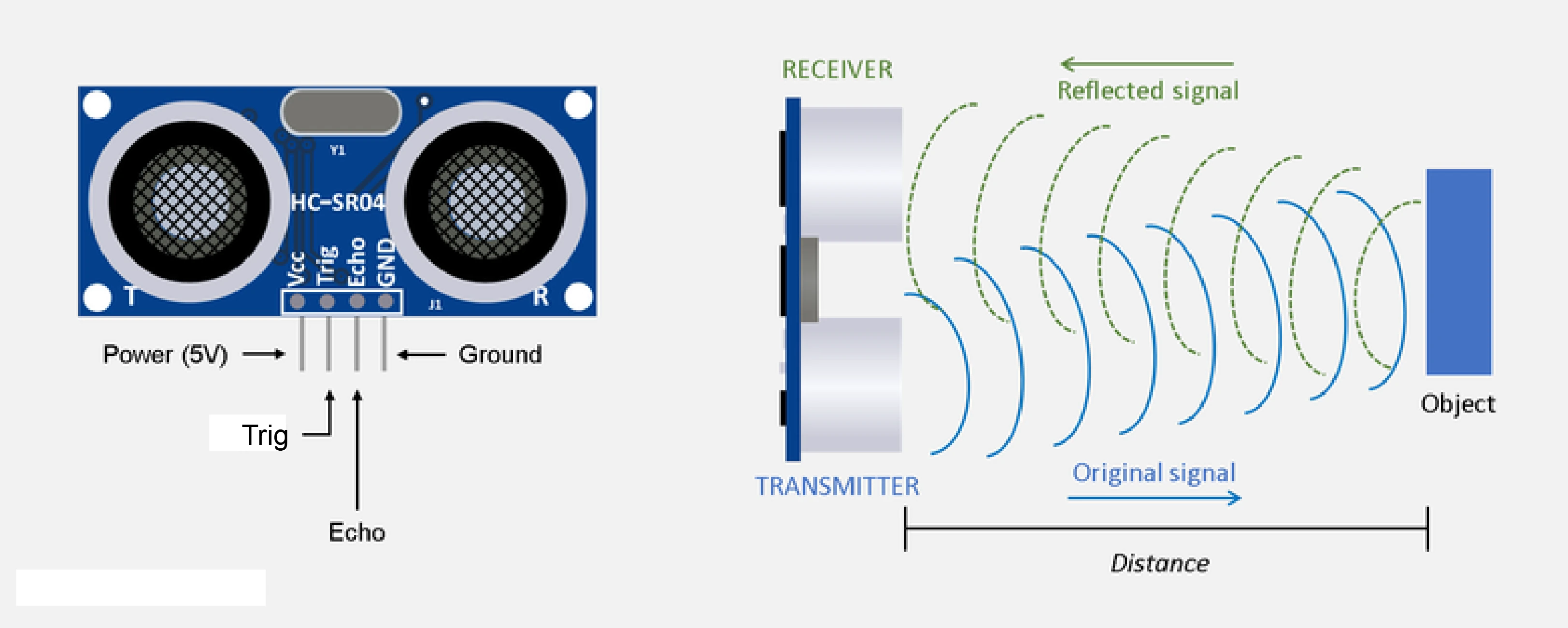
Ultrasonic Sonar Distance Sensors in learn.adafruit
Getting Started with the HC-SR04 Ultrasonic sensor in Arduino project hub.
LIDAR
Lidar is a method for determining ranges (variable distance) by targeting an object or a surface with a laser and measuring the time for the reflected light to return to the receiver. It can also be used to make digital 3-D representations of areas on the Earth's surface and ocean bottom of the intertidal and near coastal zone by varying the wavelength of light. It has terrestrial, airborne, and mobile applications.
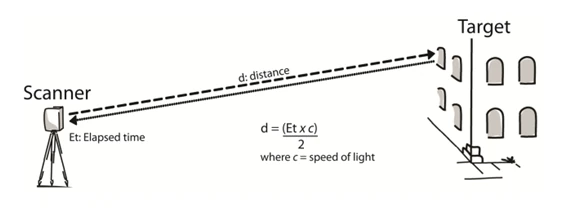
A LIDAR is a sensor that can detect distance precisely, using a laser. Unlike Time-of-Flight sensors, LIDARs are incredibly fast. Unlike sonar/ultrasonic sensors, they're very precise, measuring the point exactly ahead.
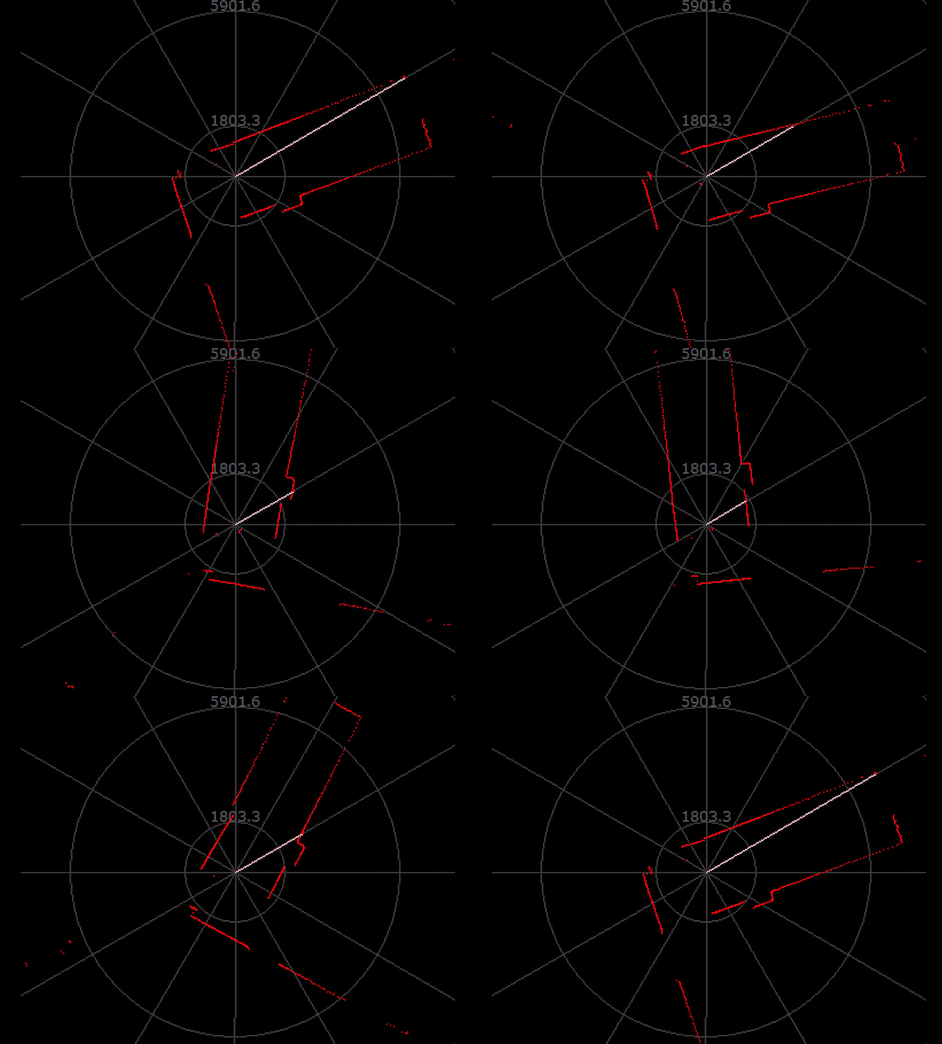
Now, because you can get accurate distance measurements at high speeds, you can put the LIDAR sensor on a spinning motor. The laser shoots out thousands of times a second, and when correlated with the angular location, can create a 2D 'map' of obstacles and walls.
📖 adafruit

Infrarred
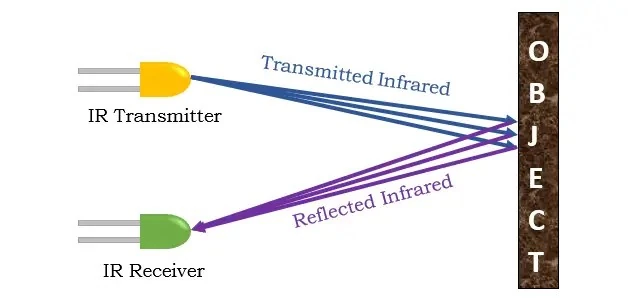
IR, in short for infrared, detects the presence of an object by emitting a beam of infrared light. It works similarly to ultrasonic sensors, though instead of using sonic waves, IR is transmitted. Infrared proximity sensors consist of an IR LED that emits, and a light detector for detection of reflection.
📖 seeed
Inductive
An inductive sensor is a device that uses the principle of electromagnetic induction to detect or measure objects. An inductor develops a magnetic field when an electric current flows through it; alternatively, a current will flow through a circuit containing an inductor when the magnetic field through it changes. This effect can be used to detect metallic objects that interact with a magnetic field. Non-metallic substances, such as liquids or some kinds of dirt, do not interact with the magnetic field, so an inductive sensor can operate in wet or dirty conditions.
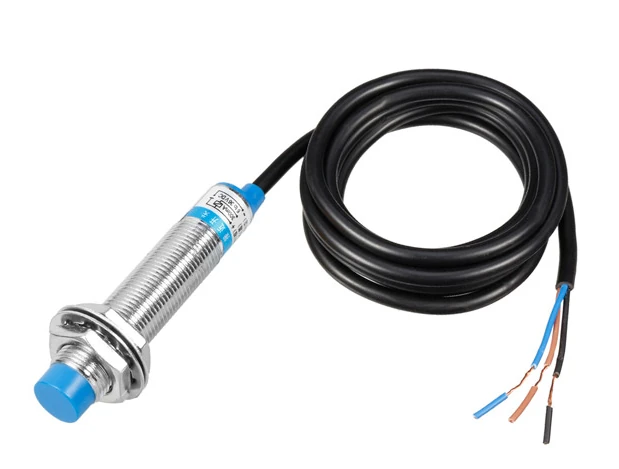
Interfacing Inductive Proximity Sensor LJ12A3-4-Z/BX with Arduino on circuits-diy.com
How to build a metal detector using an inductive proximity sensor with Arduino on engineersgarage.com
Capacitive
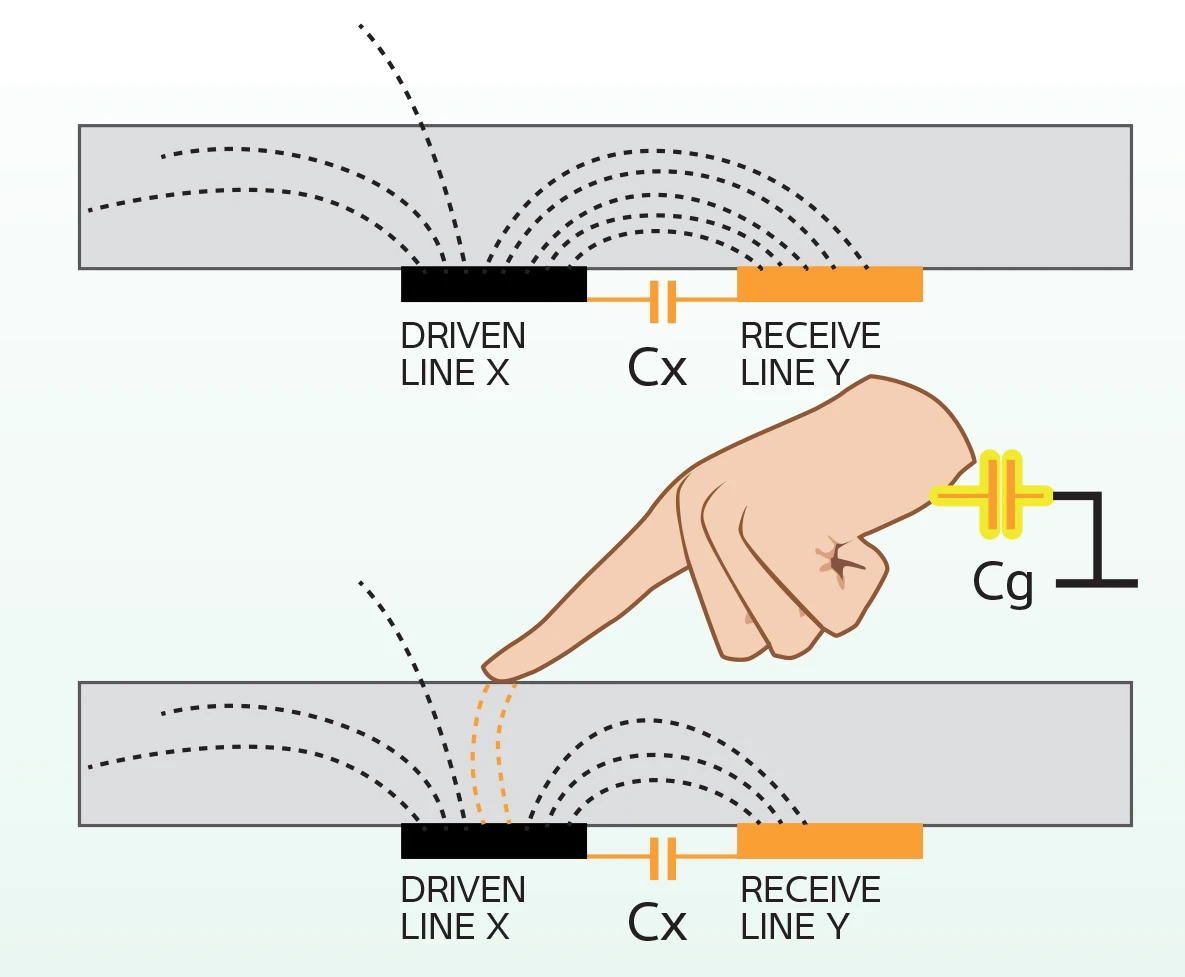
In electrical engineering, capacitive sensing (sometimes capacitance sensing) is a technology, based on capacitive coupling, that can detect and measure anything that is conductive or has a dielectric different from air.
Many types of sensors use capacitive sensing, including sensors to detect and measure proximity, pressure, position and displacement, force, humidity, fluid level, and acceleration. Human interface devices based on capacitive sensing, such as touchpads, can replace the computer mouse. Digital audio players, mobile phones, and tablet computers will sometimes use capacitive sensing touchscreens as input devices. Capacitive sensors can also replace mechanical buttons.
ADCTouch Arduino Library
Capacitive Sensor Arduino Library
Interesting application: Stretch-Sensing Soft Glove
Capacitive Sensing for Dummies
Touch screens
A touchscreen (or touch screen) is a type of display that can detect touch input from a user. It consists of both an input device (a touch panel) and an output device (a visual display). The touch panel is typically layered on the top of the electronic visual display of a device. Touchscreens are commonly found in smartphones, tablets, laptops, and other electronic devices.
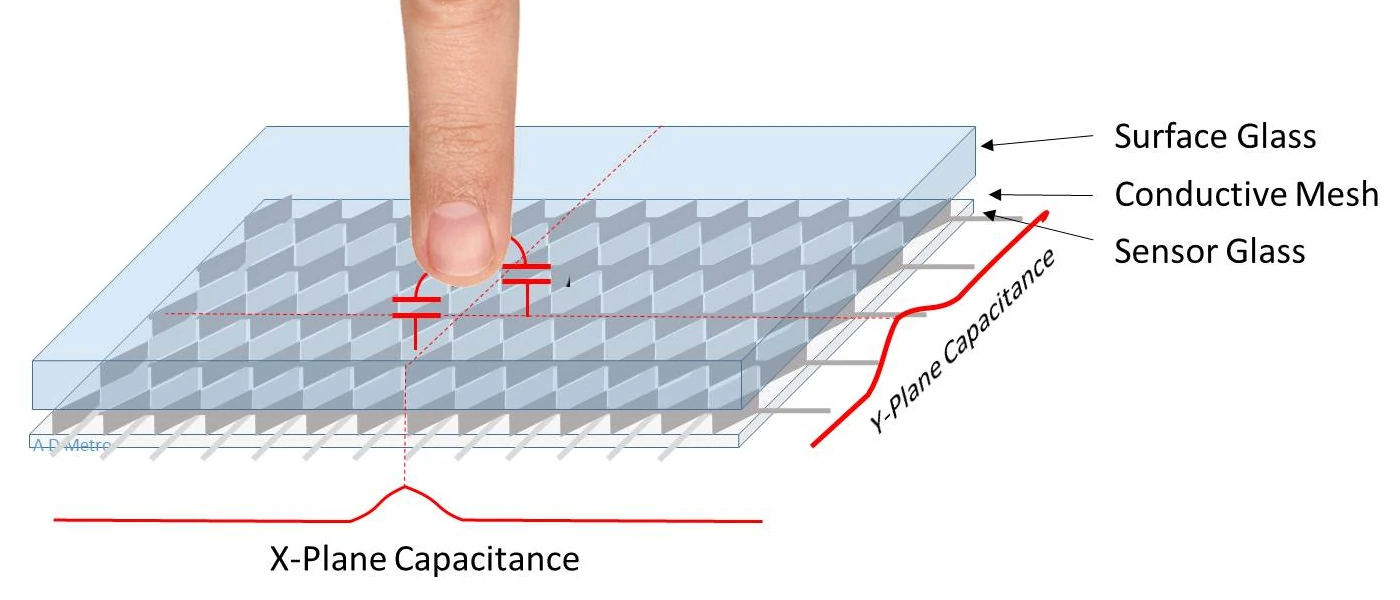
Really complete explanation on capacitive touch screen sensing in this Tufts University youtube video
Touché
Touché: Enhancing Touch Interaction on Humans, Screens, Liquids, and Everyday Objects. Touché proposes a novel Swept Frequency Capacitive Sensing technique that can not only detect a touch event, but also recognize complex configurations of the human hands and body.
Touche for Arduino: Advanced Touch Sensing on Instructables
Force
Flex sensors
A flex sensor or bend sensor is a sensor that measures the amount of deflection or bending. Usually, the sensor is stuck to the surface, and resistance of sensor element is varied by bending the surface. Since the resistance is directly proportional to the amount of bend it is used as goniometer, and often called flexible potentiometer.
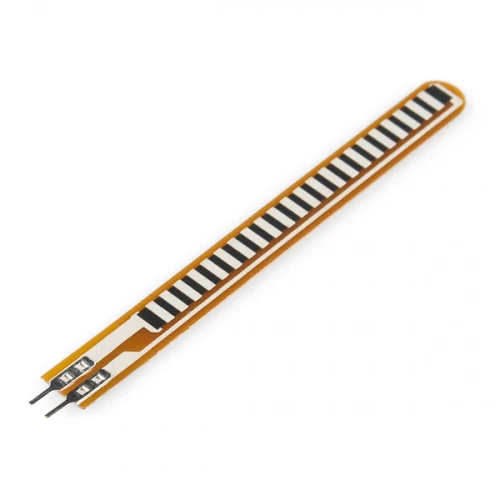
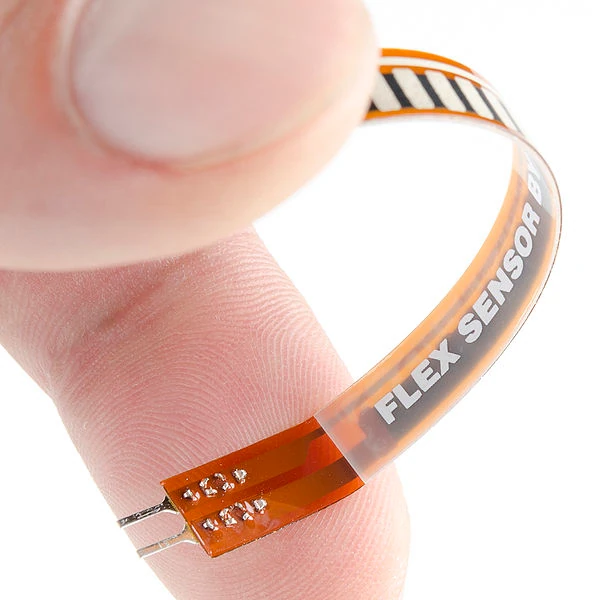
One side of the sensor is printed with a polymer ink that has conductive particles embedded in it. When the sensor is straight, the particles give the ink a resistance of about 30k Ohms. When the sensor is bent away from the ink, the conductive particles move further apart, increasing this resistance (to about 50k-70K Ohms when the sensor is bent to 90°, as in the diagram below).
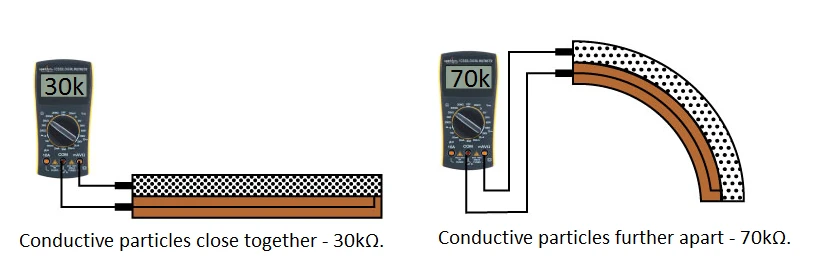
DIY Bend Sensor (Using Only Conductive Bags and Masking Tape) on instructables.com
A Flex Sensor For A Glove Controller Using An LDR on hackaday.com
Dataglove with ghetto flex sensors on coolshitindustries.com
Another DIY: How to Make Bi-Directional Flex Sensors on Instructables.com
Piezoelectric sensor
A piezoelectric sensor is a device that uses the piezoelectric effect to measure changes in pressure, acceleration, temperature, strain, or force by converting them to an electrical charge. The prefix piezo- is Greek for 'press' or 'squeeze'.
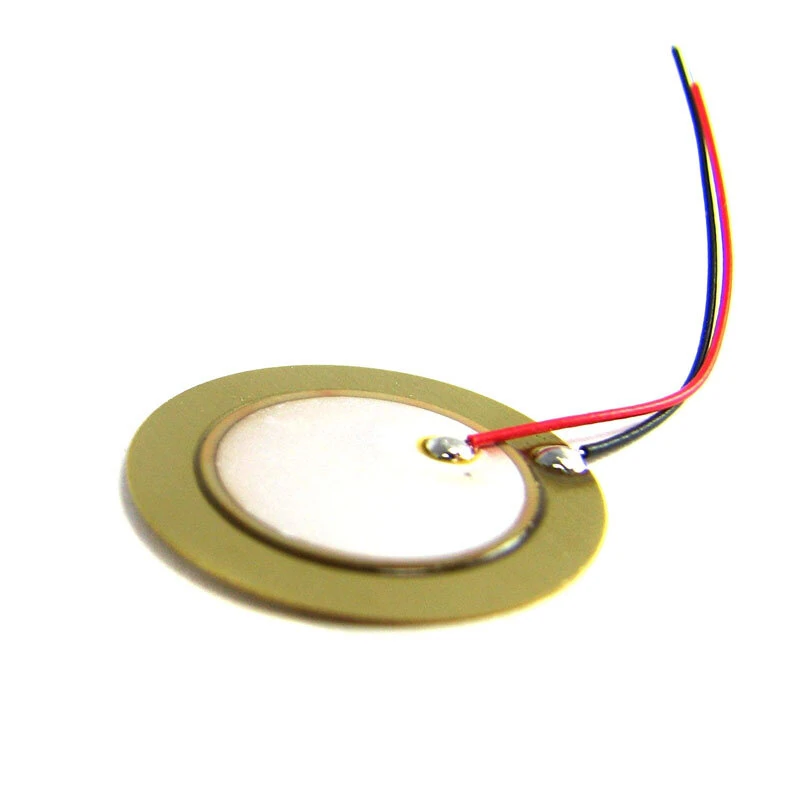
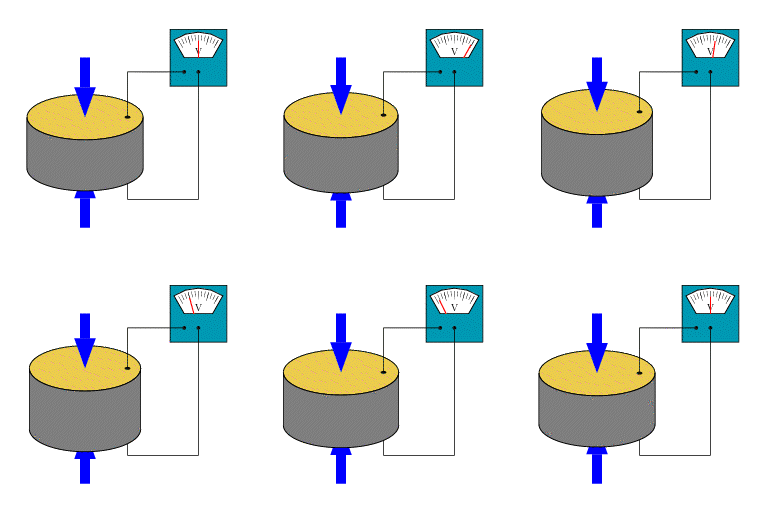
Piezoelectricity is the electric charge that accumulates in certain solid materials—such as crystals, certain ceramics, and biological matter such as bone, DNA, and various proteins—in response to applied mechanical stress. The piezoelectric effect results from the linear electromechanical interaction between the mechanical and electrical states in crystalline materials with no inversion symmetry. The piezoelectric effect is a reversible process: materials exhibiting the piezoelectric effect also exhibit the reverse piezoelectric effect, the internal generation of a mechanical strain resulting from an applied electric field.
Detect a Knock tutorial on docs.arduino
Measuring heart rate with a piezoelectric vibration sensor on ohnitsch.net
Piezo Buzzer Makes A Drum on hackaday.com
Arduino Piano With Piezoelectric Sensors on instructables.com
Cool Off With A Piezo And A Glass Of Water on hackaday.com
Load sensors
A load cell converts a force such as tension, compression, pressure, or torque into a signal (electrical, pneumatic or hydraulic pressure, or mechanical displacement indicator) that can be measured and standardized. It is a force transducer. As the force applied to the load cell increases, the signal changes proportionally.
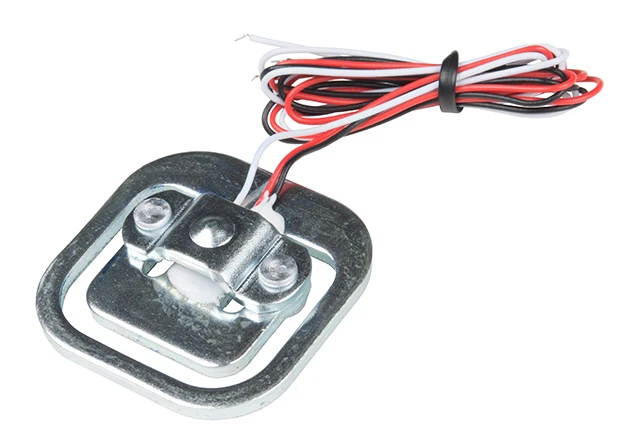
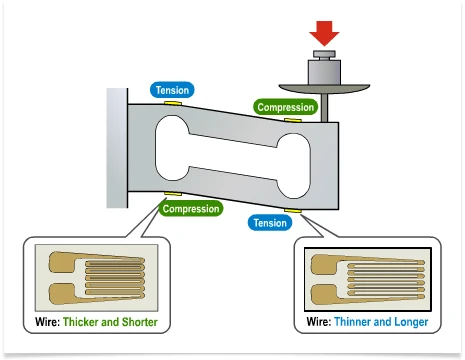
A load cell is a physical element (or transducer if you want to be technical) that can translate pressure (force) into an electrical signal.
So what does that mean? here are three main ways a load cell can translate an applied force into a measurable reading.
- Hydraulic Load Cells
- Pneumatic Load Cells
- Strain Gauge Load Cells
Cat and Dog Selective Feeder (measuring their weight) on instructables.com
Getting Started with Load Cells on learn.sparkfun
FSR Force sensitive resistor
A force-sensing resistor is a material whose resistance changes when a force, pressure or mechanical stress is applied. They are also known as force-sensitive resistor and are sometimes referred to by the initialism FSR
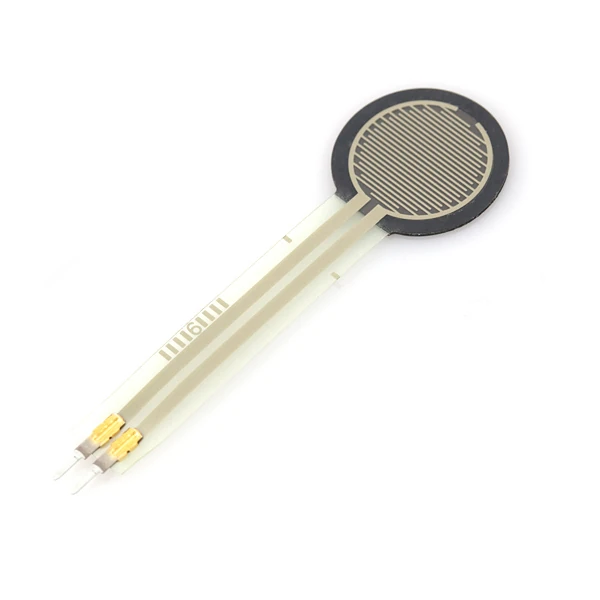
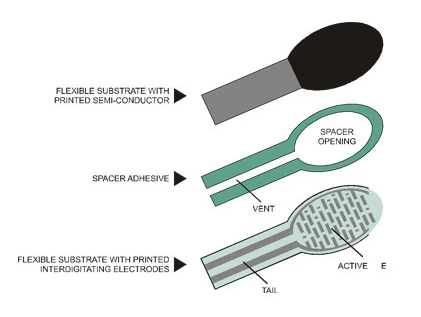
Force Sensitive Resistor (FSR) on learn.adafruit
Force Sensitive Resistor Hookup Guide on learn.sparkfun
Neopixels Light The Way In Pressure-Sensitive Floor on hackaday.com
Resistance In Motion: What You Should Know About Variable Resistors, also on hackaday.com
E-TRACES project on cargocollective.com
Improve your 3d printer: Force Sensitive Resistor Takes The Pain Out Of Bed Levelingon hackaday.com
Enviroment
Humidity
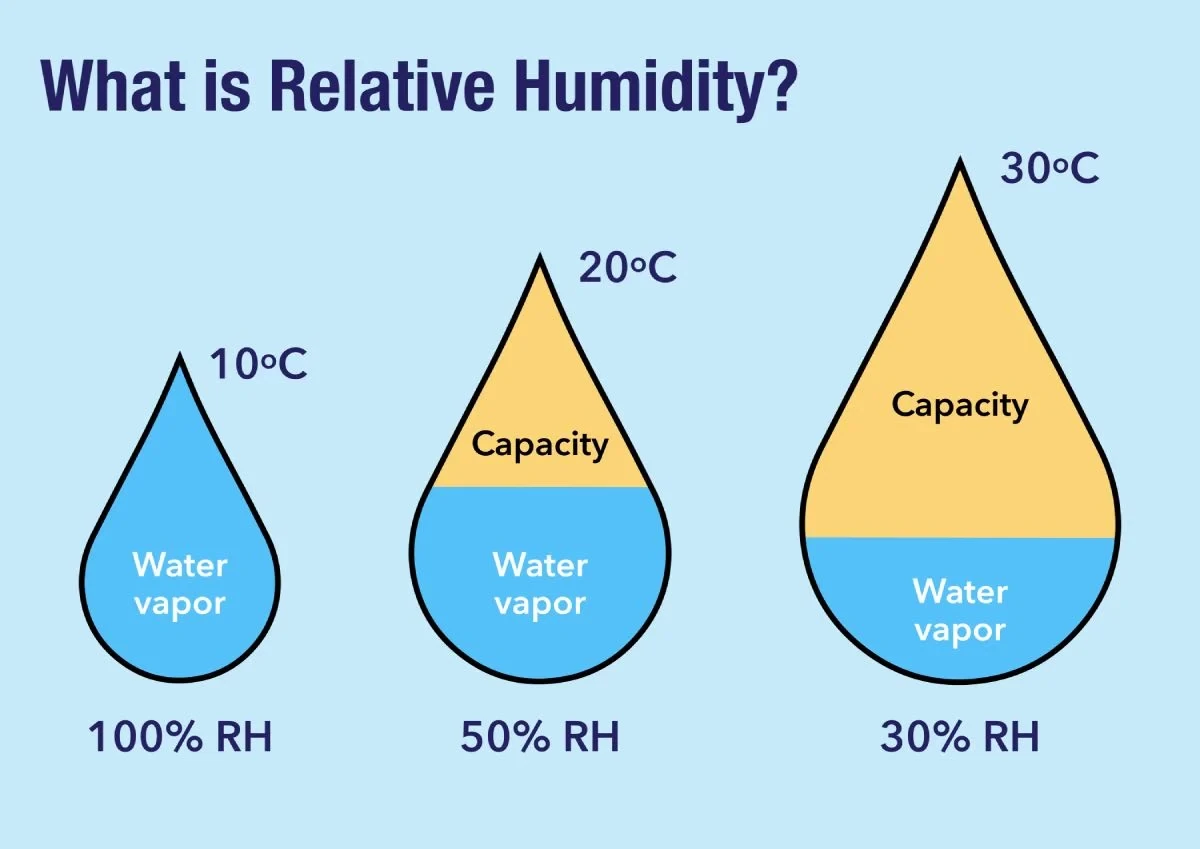
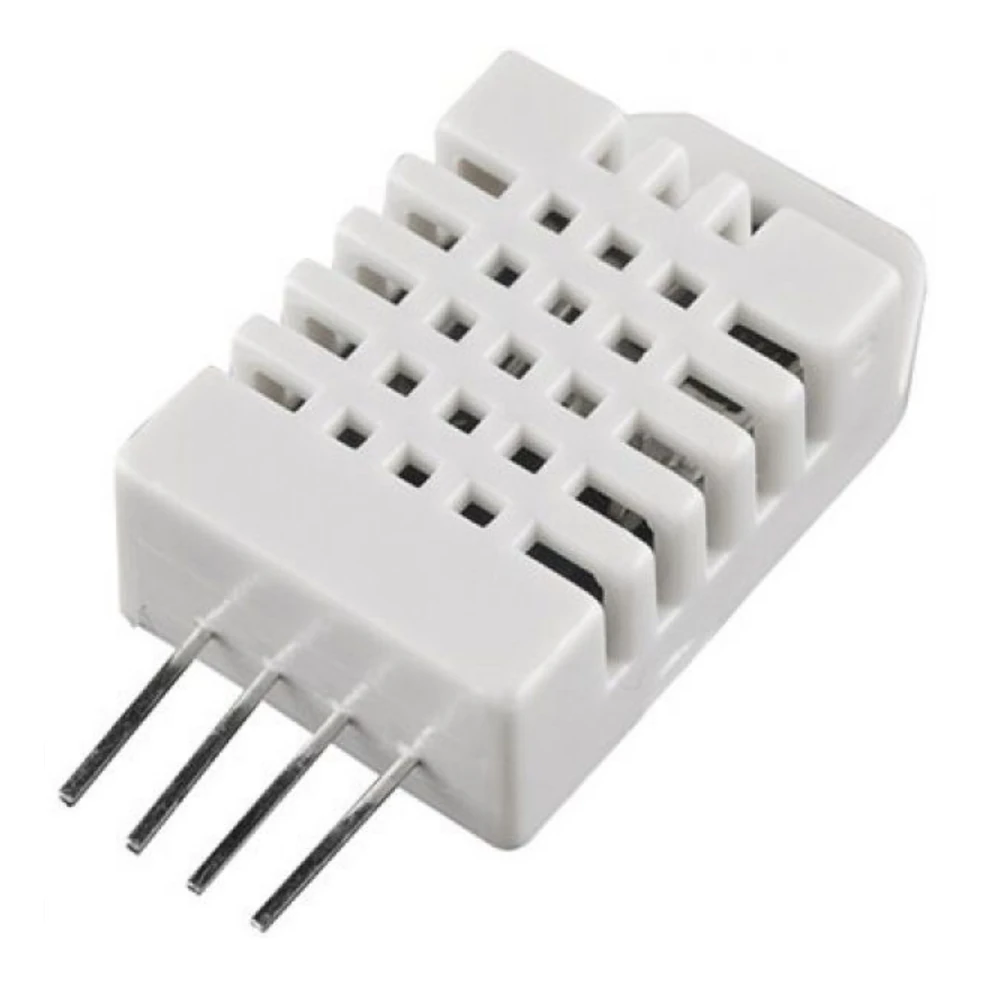
Relative humidity is the ratio of how much water vapour is in the air to how much water vapour the air could potentially contain at a given temperature. It varies with the temperature of the air: colder air can contain less vapour, and water will tend to condense out of the air more at lower temperatures. So changing the temperature of air can change the relative humidity, even when the absolute humidity remains constant.
Soil moisture
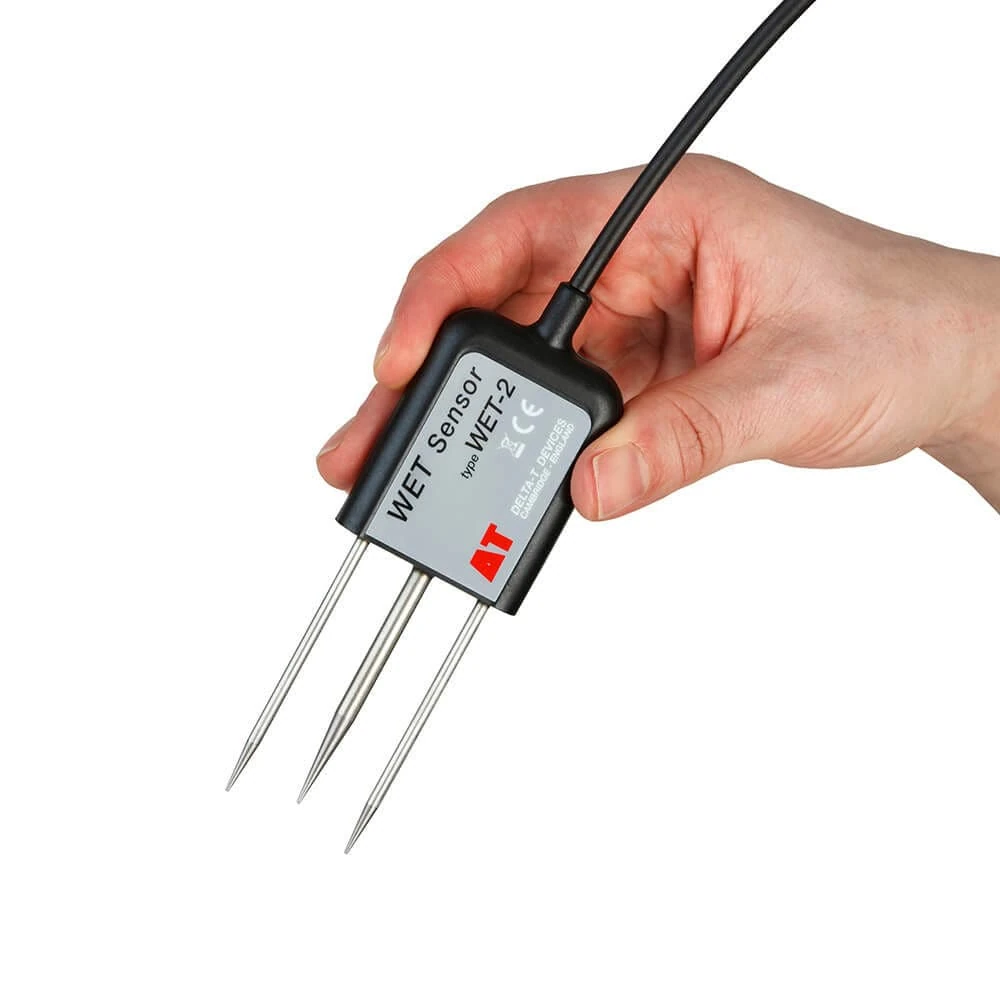
Soil moisture sensors measure the volumetric water content in soil. Since the direct gravimetric measurement of free soil moisture requires removing, drying, and weighing of a sample, soil moisture sensors measure the volumetric water content indirectly by using some other property of the soil, such as electrical resistance, dielectric constant, or interaction with neutrons, as a proxy for the moisture content.
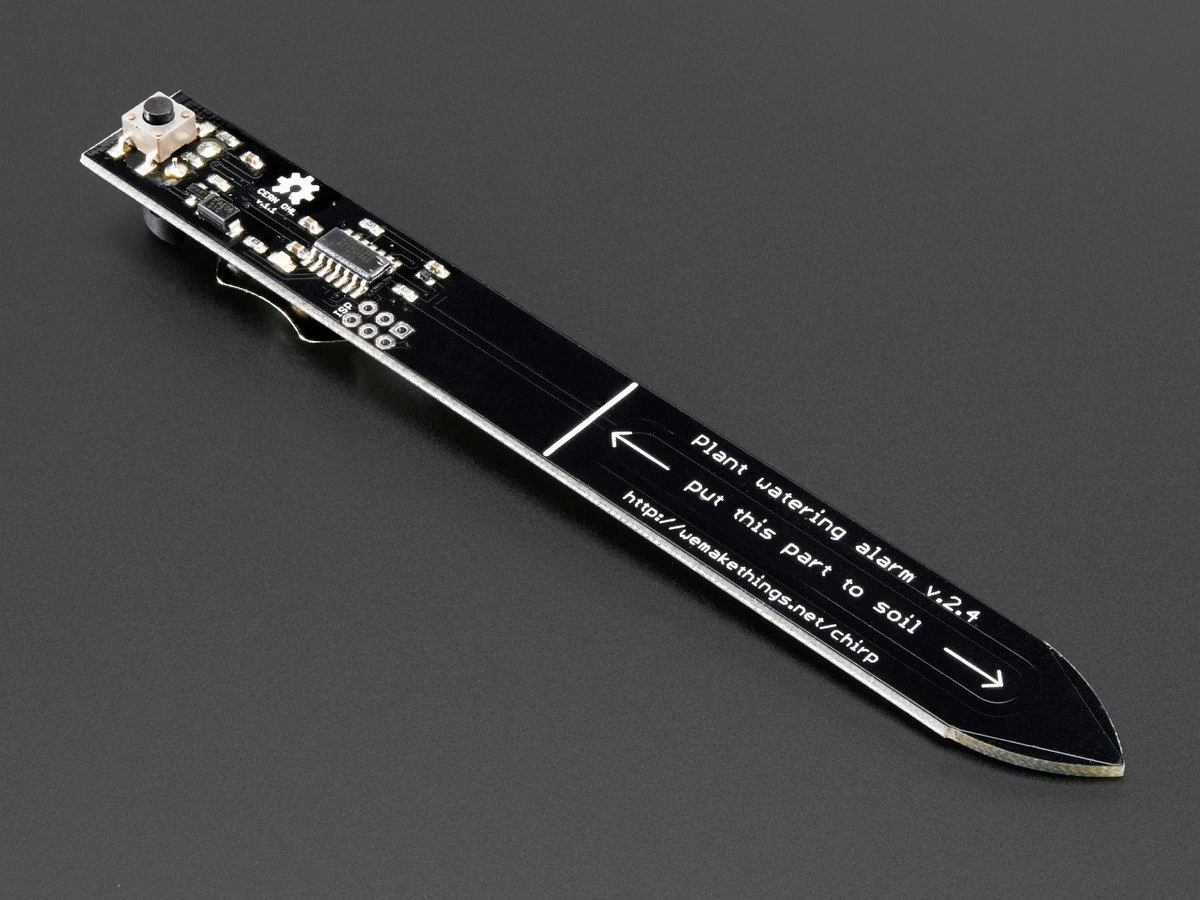
chirp! - the plant watering alarm
b-parasite open source plant sensor
Interesting post: Capacitance measurement using low pass filter
Gases
Electrochemical
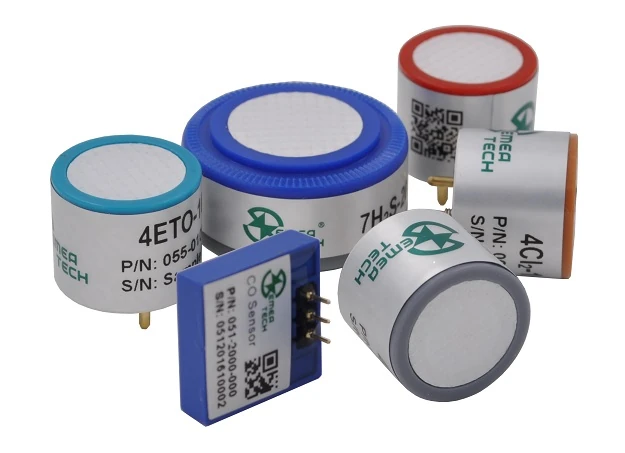
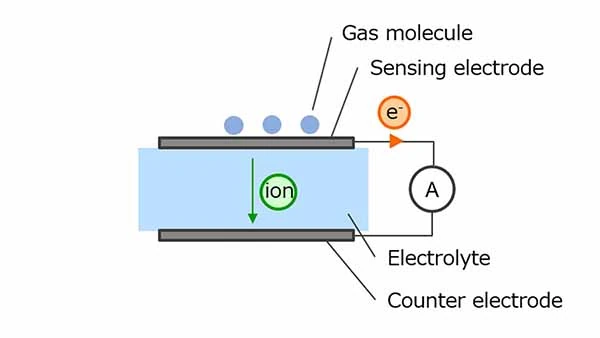
Electrochemical gas sensors are gas detectors that measure the concentration of a target gas by oxidizing or reducing the target gas at an electrode and measuring the resulting current.
Metal Oxide
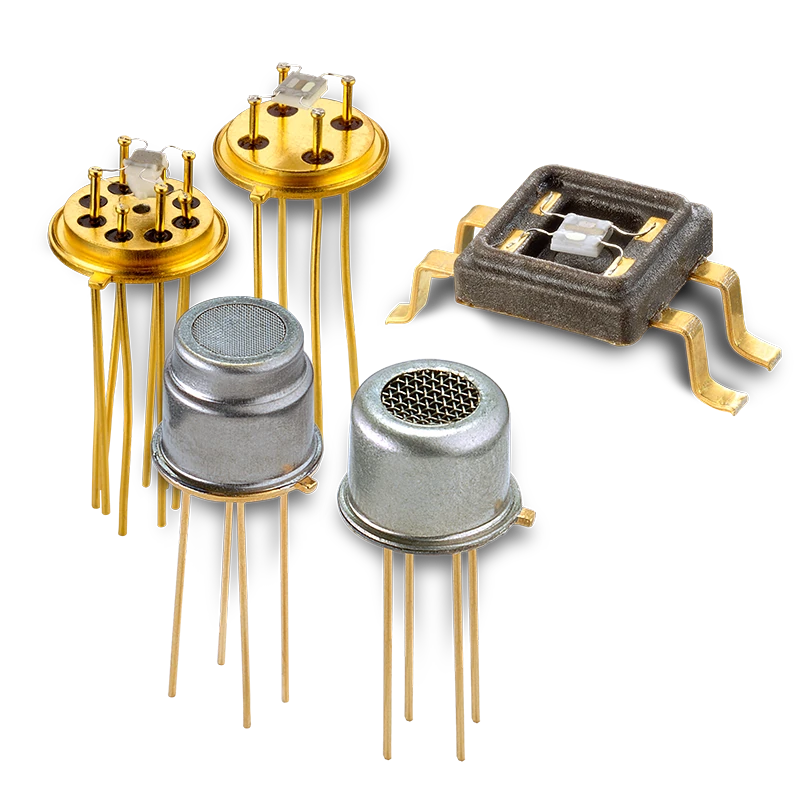
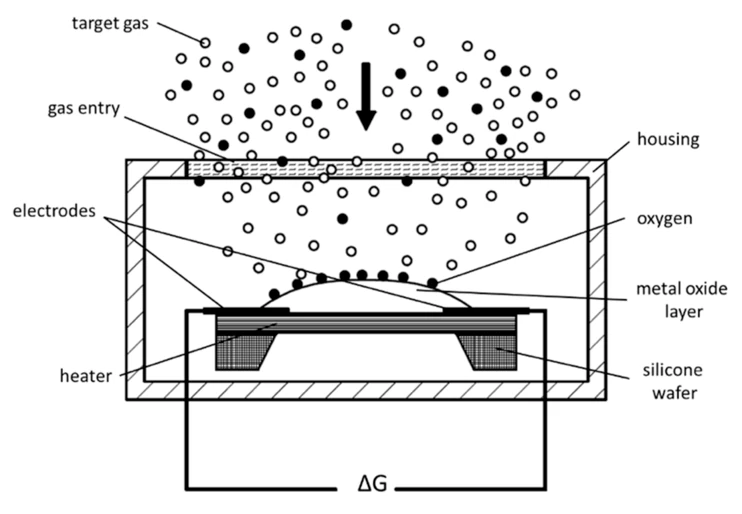
The basic principle behind the SGX and other metal oxide sensors is that the resistance of the detecting layer in sensor changes in the presence of the target gases. For oxidising gases such as ozone or nitrogen di oxide the resistance will increase; for reducing gases such as carbon monoxide or VOC’s the resistance will go down.
In very simple terms reducing gases remove some of the ‘insulative’ oxygen species at the grain boundaries thus causing the overall resistance to go down. Alternatively oxidising gases add to the insulative oxygen species causing the resistance to increase.
These reactions occur at elevated temperatures and hence the sensing layer needs to be heated with the integrated heater. It is one of the main advantages of the SGX sensor that the power required to heat and run the sensor are less than other types on the market.
Particulate matter
Particulates or atmospheric particulate matter (see below for other names) are microscopic particles of solid or liquid matter suspended in the air. The term aerosol refers to the particulate/air mixture, as opposed to the particulate matter alone, though it is sometimes defined as a subset of aerosol terminology. Sources of particulate matter can be natural or anthropogenic. They have impacts on climate and precipitation that adversely affect human health, in ways additional to direct inhalation.
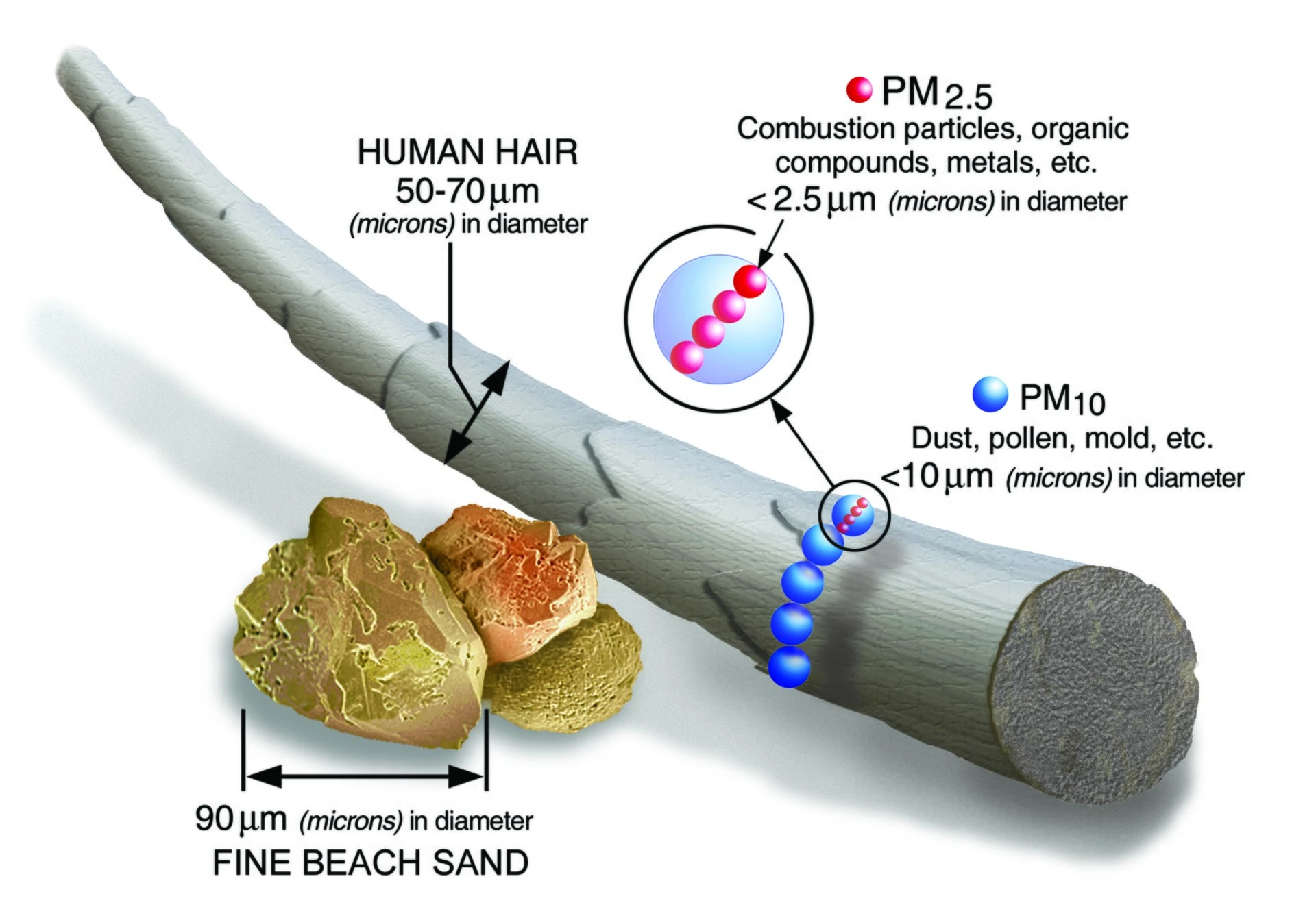
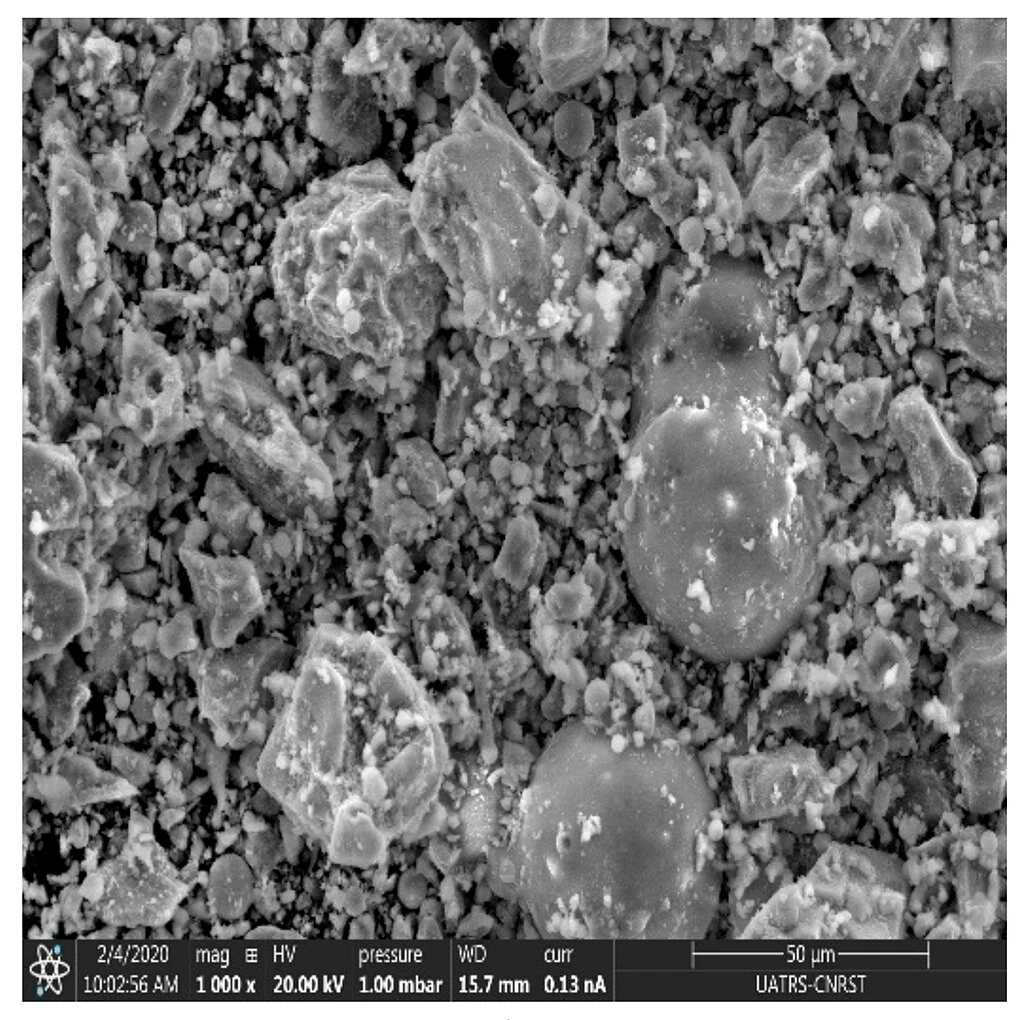
A particulate matter sensor, also known as a PM sensor or PM monitor, is an electronic device designed to measure and detect the concentration of particulate matter (PM) in the air. Particulate matter refers to tiny particles suspended in the air, such as dust, smoke, soot, and other solid or liquid particles. These particles can vary in size, with PM10 referring to particles with a diameter of 10 micrometers or smaller, and PM2.5 referring to particles with a diameter of 2.5 micrometers or smaller. PM2.5 particles are of particular concern as they can penetrate deep into the lungs and potentially cause respiratory and cardiovascular problems.
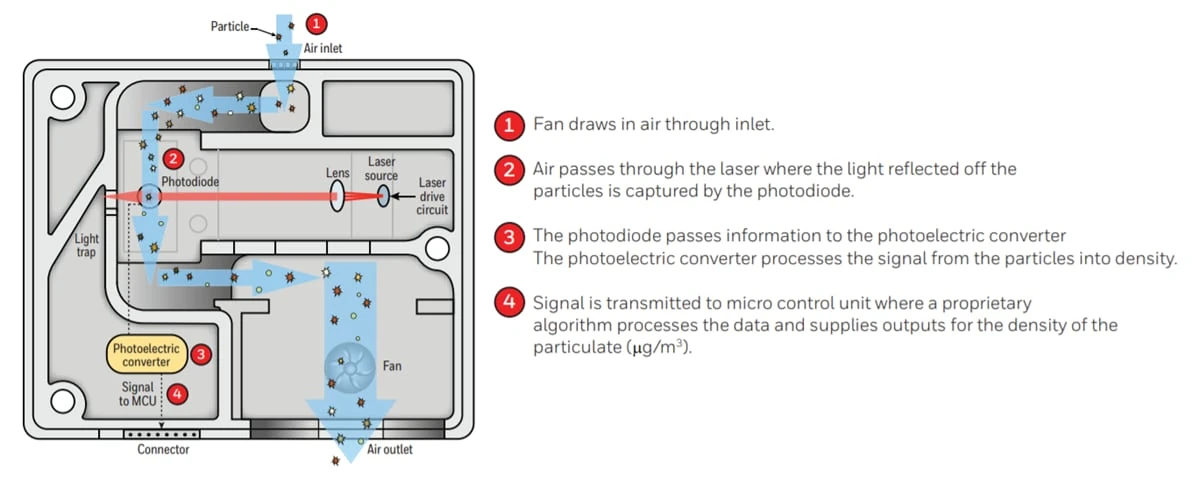
Guide on PM2.5 Air Quality Sensor on learn.adafruit
Measuring Particulate Pollution With The ESP32 on hackaday.com
Barometric pressure sensor
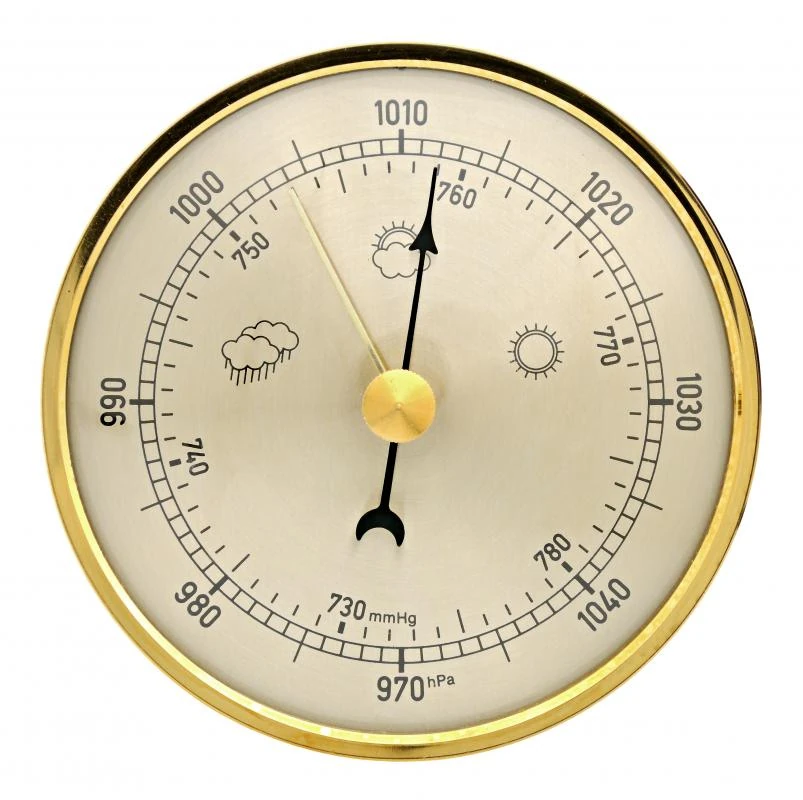
Atmospheric pressure, also known as air pressure or barometric pressure (after the barometer), is the pressure within the atmosphere of Earth.
Atmospheric pressure is caused by the gravitational attraction of the planet on the atmospheric gases above the surface and is a function of the mass of the planet, the radius of the surface, and the amount and composition of the gases and their vertical distribution in the atmosphere.
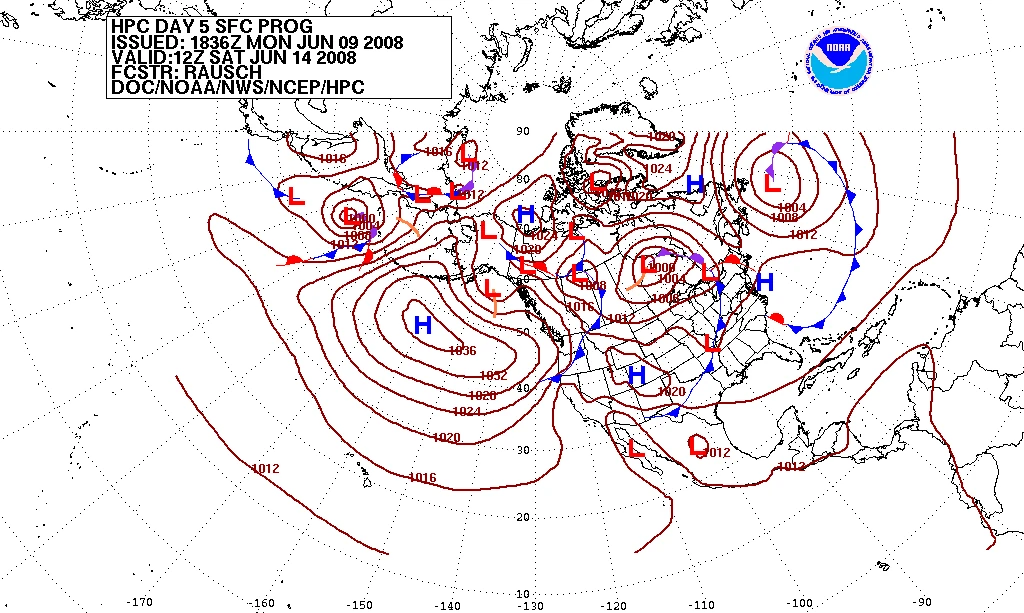
A barometer is a scientific instrument that is used to measure air pressure in a certain environment. Pressure tendency can forecast short term changes in the weather. Many measurements of air pressure are used within surface weather analysis to help find surface troughs, pressure systems and frontal boundaries.
Barometers and pressure altimeters (the most basic and common type of altimeter) are essentially the same instrument, but used for different purposes. An altimeter is intended to be used at different levels matching the corresponding atmospheric pressure to the altitude, while a barometer is kept at the same level and measures subtle pressure changes caused by weather and elements of weather.
Sound (microphone)
Sound pressure or acoustic pressure is the local pressure deviation from the ambient (average or equilibrium) atmospheric pressure, caused by a sound wave. In air, sound pressure can be measured using a microphone, and in water with a hydrophone.

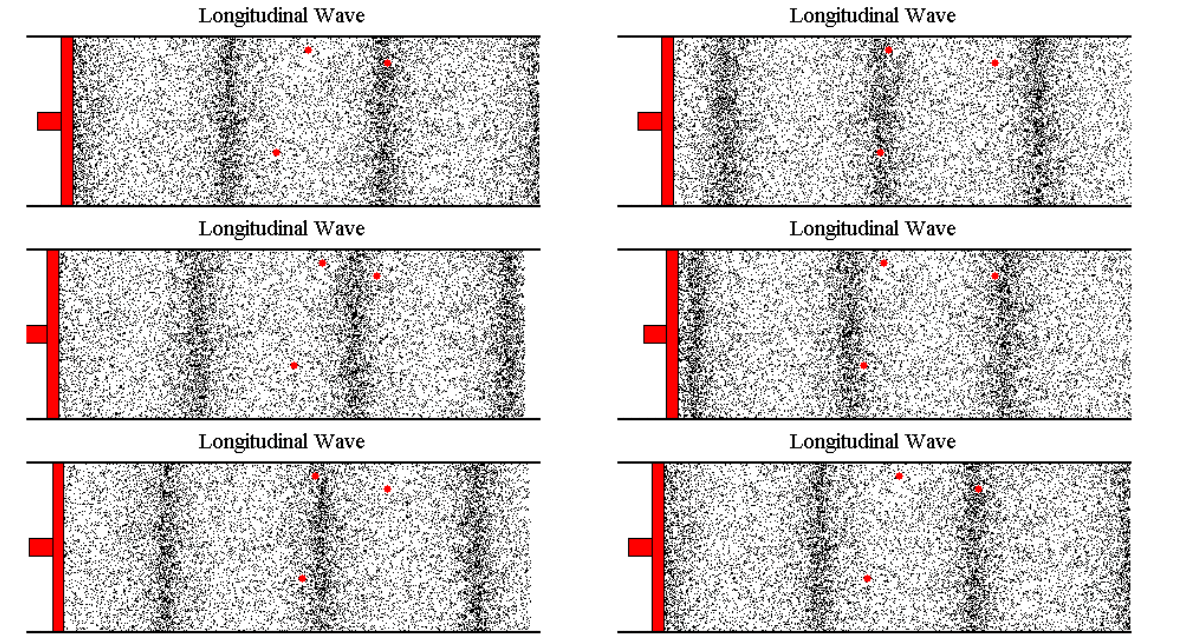
In physics, sound is a vibration that propagates as an acoustic wave through a transmission medium such as a gas, liquid or solid. In human physiology and psychology, sound is the reception of such waves and their perception by the brain. Only acoustic waves that have frequencies lying between about 20 Hz and 20 kHz
Cuando algo se mueve empuja el aire y éste al desplazarse se comprime cambiando su presión, si el movimiento se repite una y otra vez, se generan ondas de alta/baja presión que aunque sean invisibles a nuestros ojos viajan a nuestro alrededor.
Cuando esos cambios de presión llegan a una superficie flexible como nuestro tímpano lo mueven a la misma velocidad a la que se mueve el objeto que originalmente movía el aire. El tímpano al moverse estimula un nervio que tenemos en el oído y éste manda una señal a nuestro cerebro. Así nos damos cuenta de los cambiós de presión en el aire a los cuáles llamamos sonido o ruido.
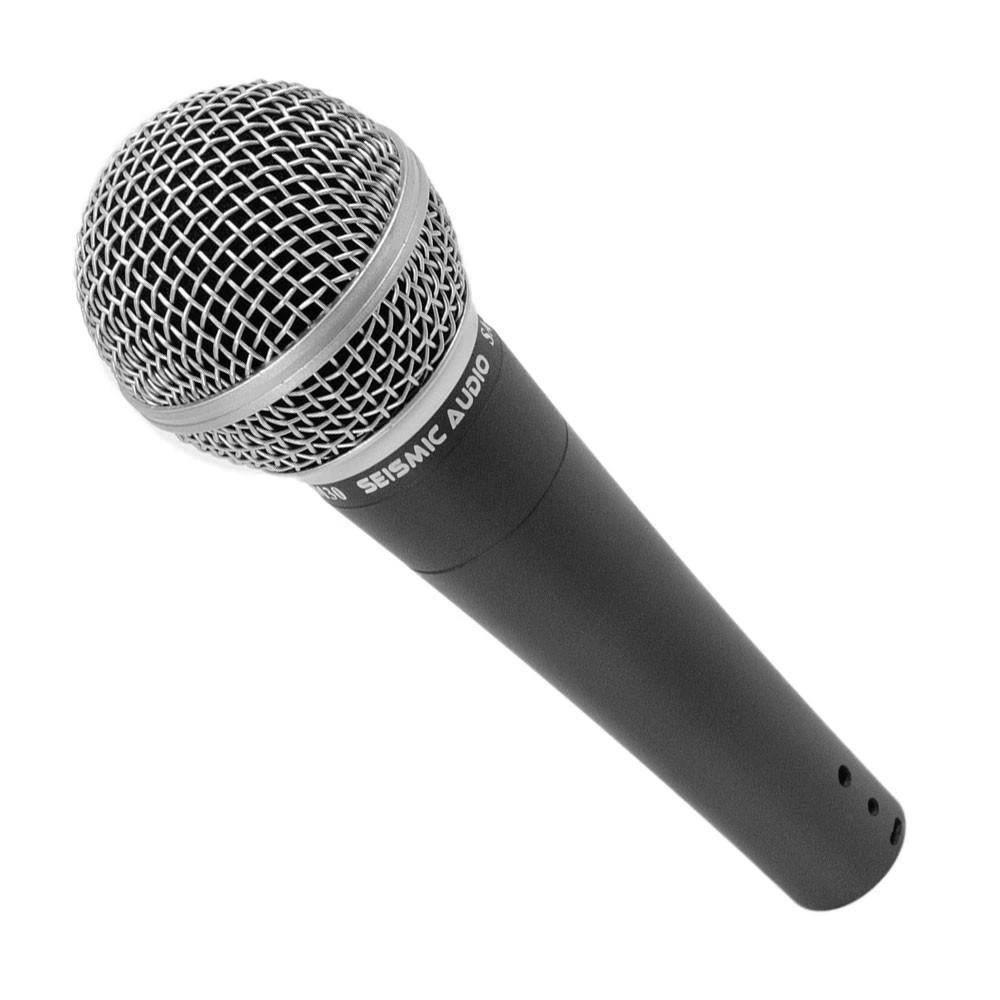
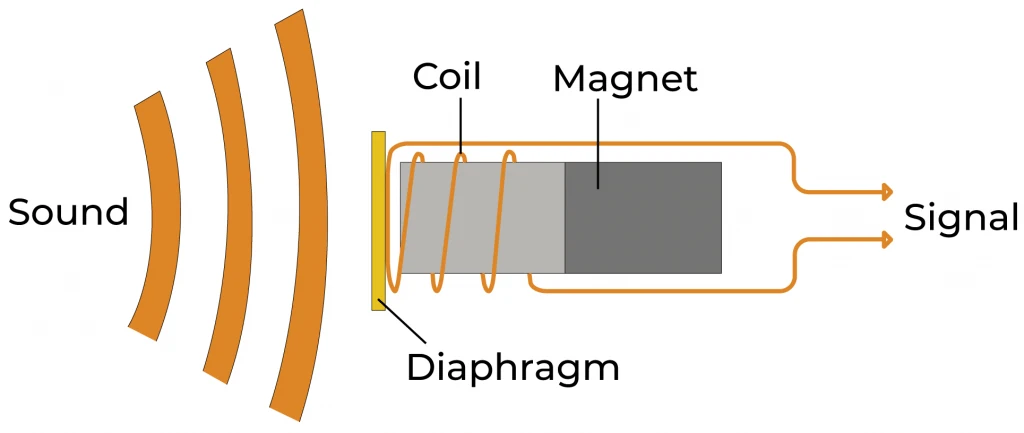
A microphone, colloquially called a mic, or mike, is a transducer that converts sound into an electrical signal.
Several types of microphone are used today, which employ different methods to convert the air pressure variations of a sound wave to an electrical signal.
Dynamic
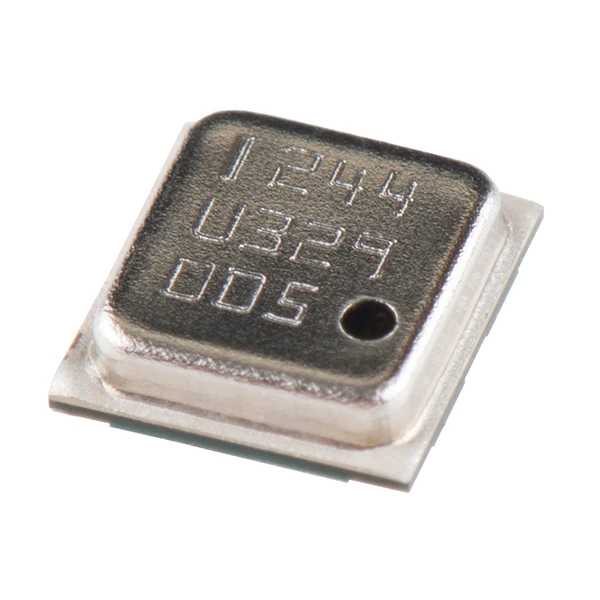
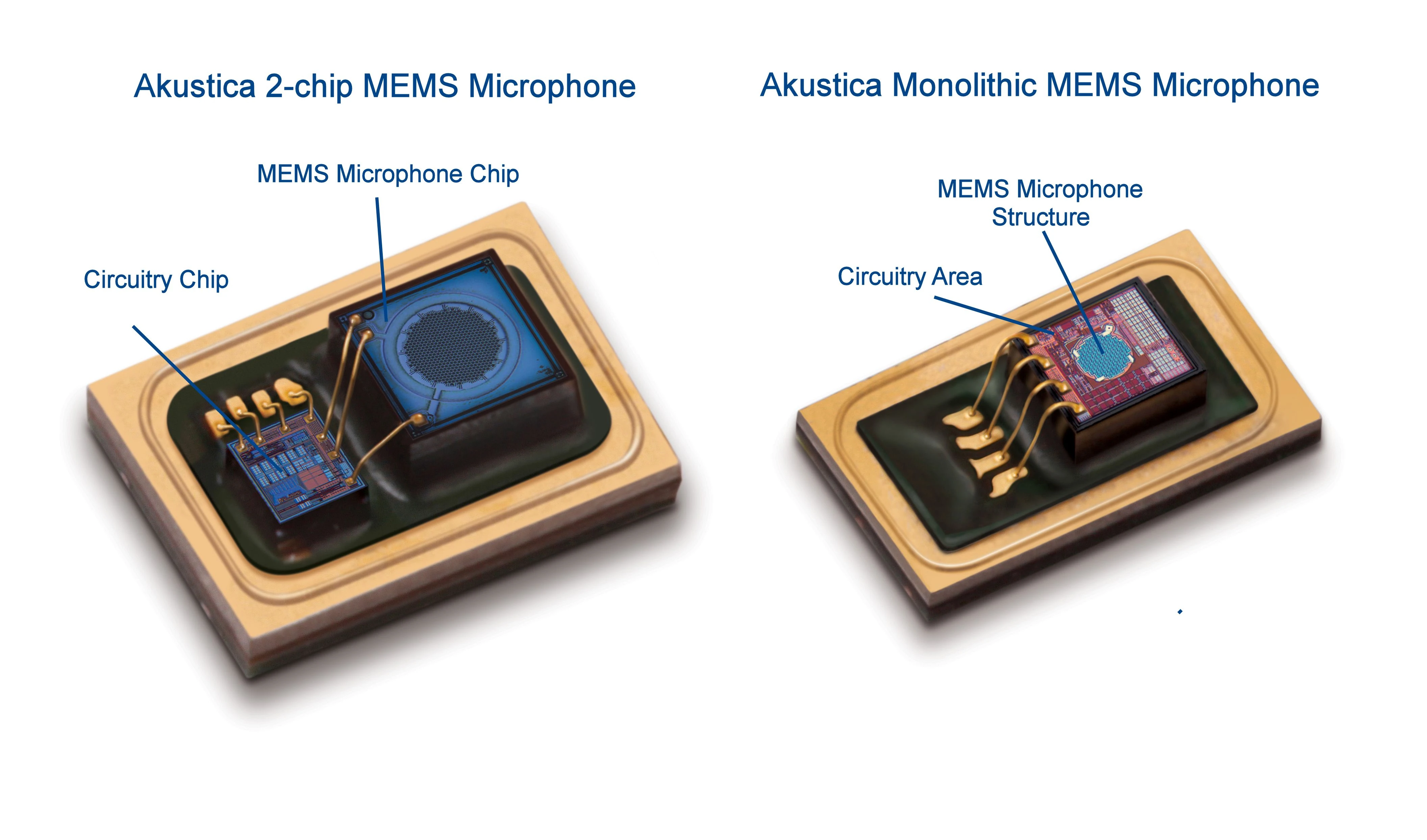
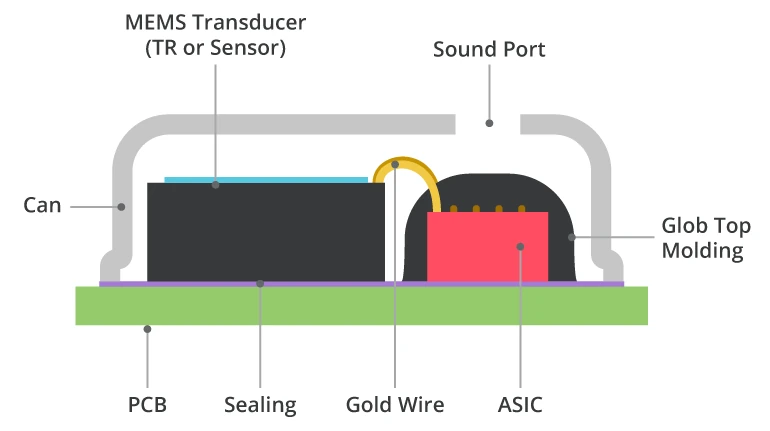
Mems
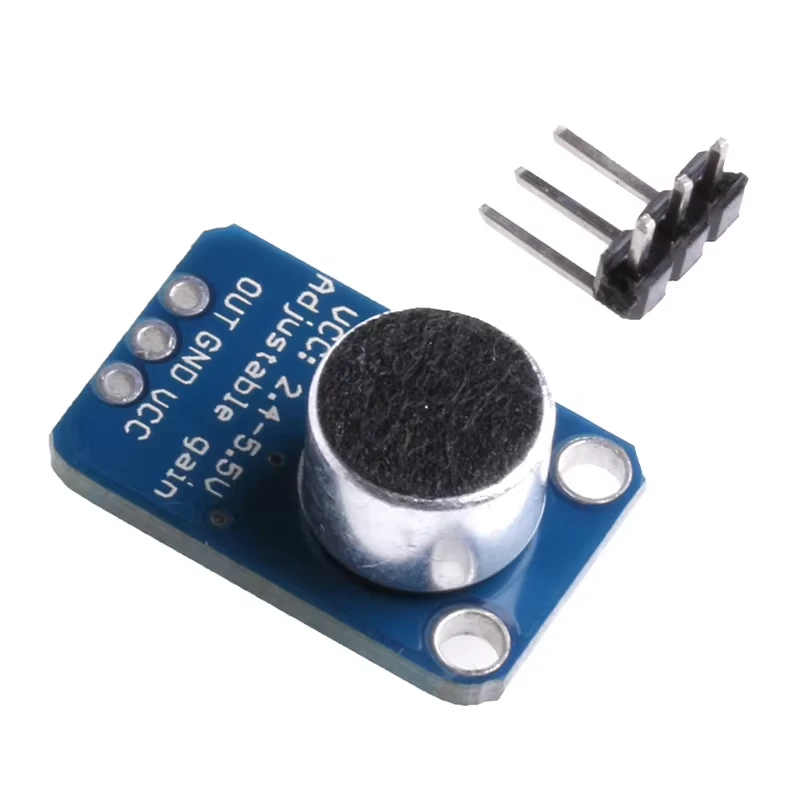
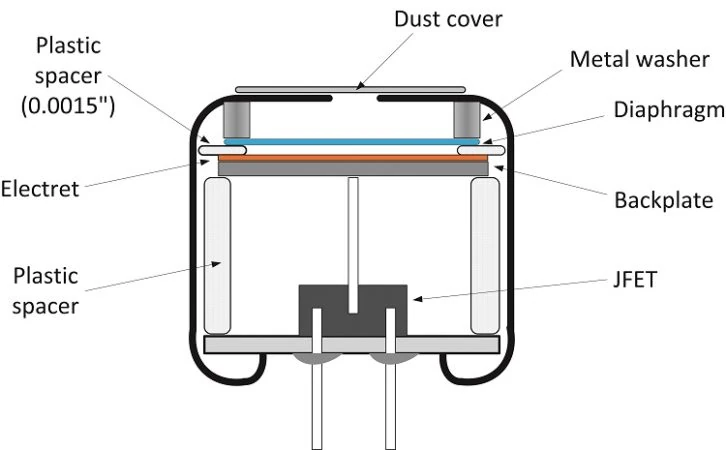
Electret
MEMS Microphone Hookup Guide on learn.sparkfun
How to Use Microphones on the Arduino on circuitbasics.com
Electret Mic Breakout Board Hookup Guide on learn.sparkfun
Temperature
Temperature is a physical quantity that quantitatively expresses the attribute of hotness or coldness. Temperature is measured with a thermometer. It reflects the average kinetic energy of the vibrating and colliding atoms making up a substance.
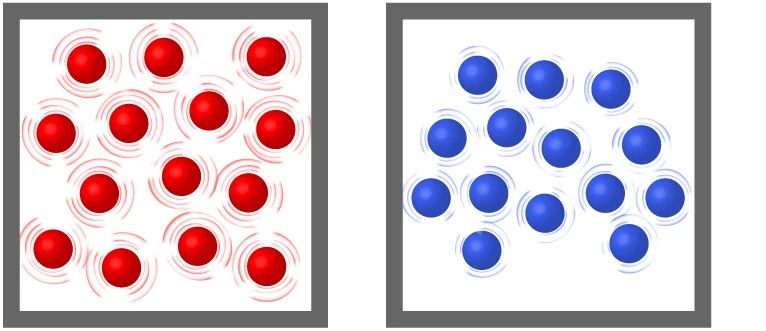
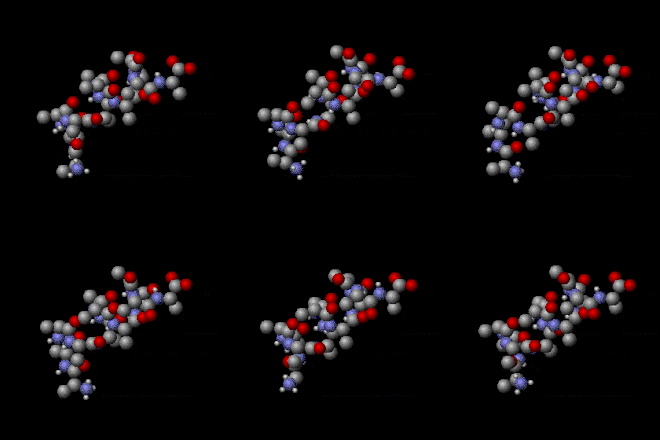
A thermometer is a device that measures temperature (the hotness or coldness of an object) or temperature gradient (the rates of change of temperature in space). A thermometer has two important elements: a temperature sensor and some means of converting this change into a numerical value
Temperature Sensor Comparison on learn.sparkfun
Interesting article: Two-Cent Temperature Sensors on hackaday.com
A comparison of Arduino compatible temperature sensors on electropeak.com
Thermistor
A thermistor is a semiconductor type of resistor whose resistance is strongly dependent on temperature, more so than in standard resistors. The word thermistor is a portmanteau of thermal and resistor.

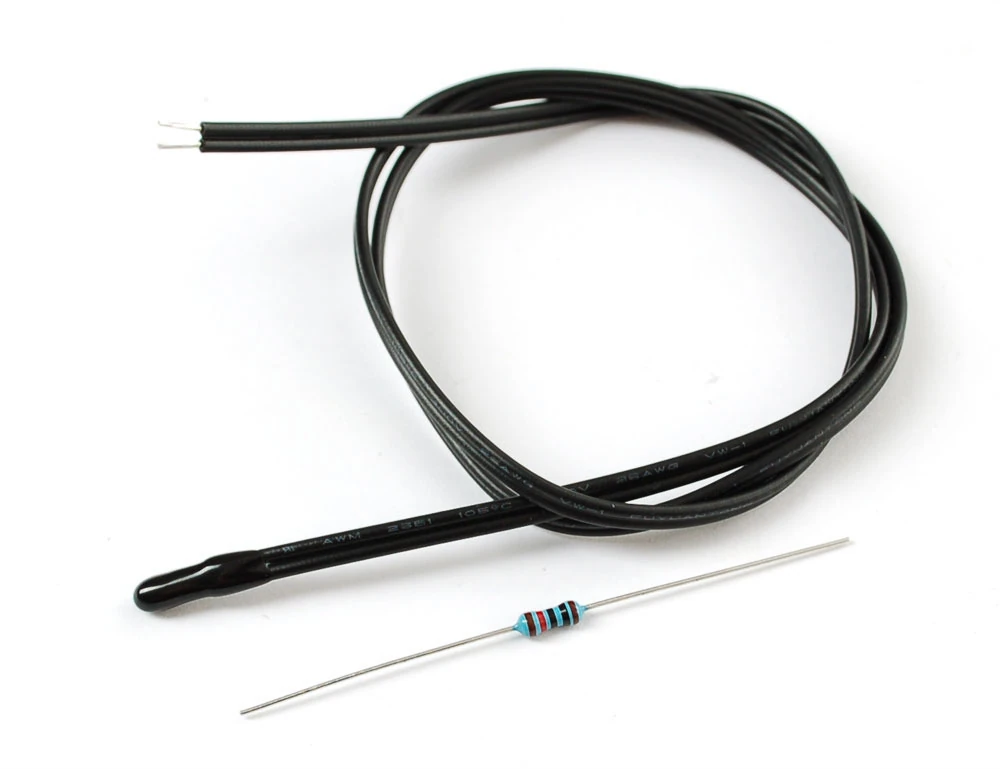
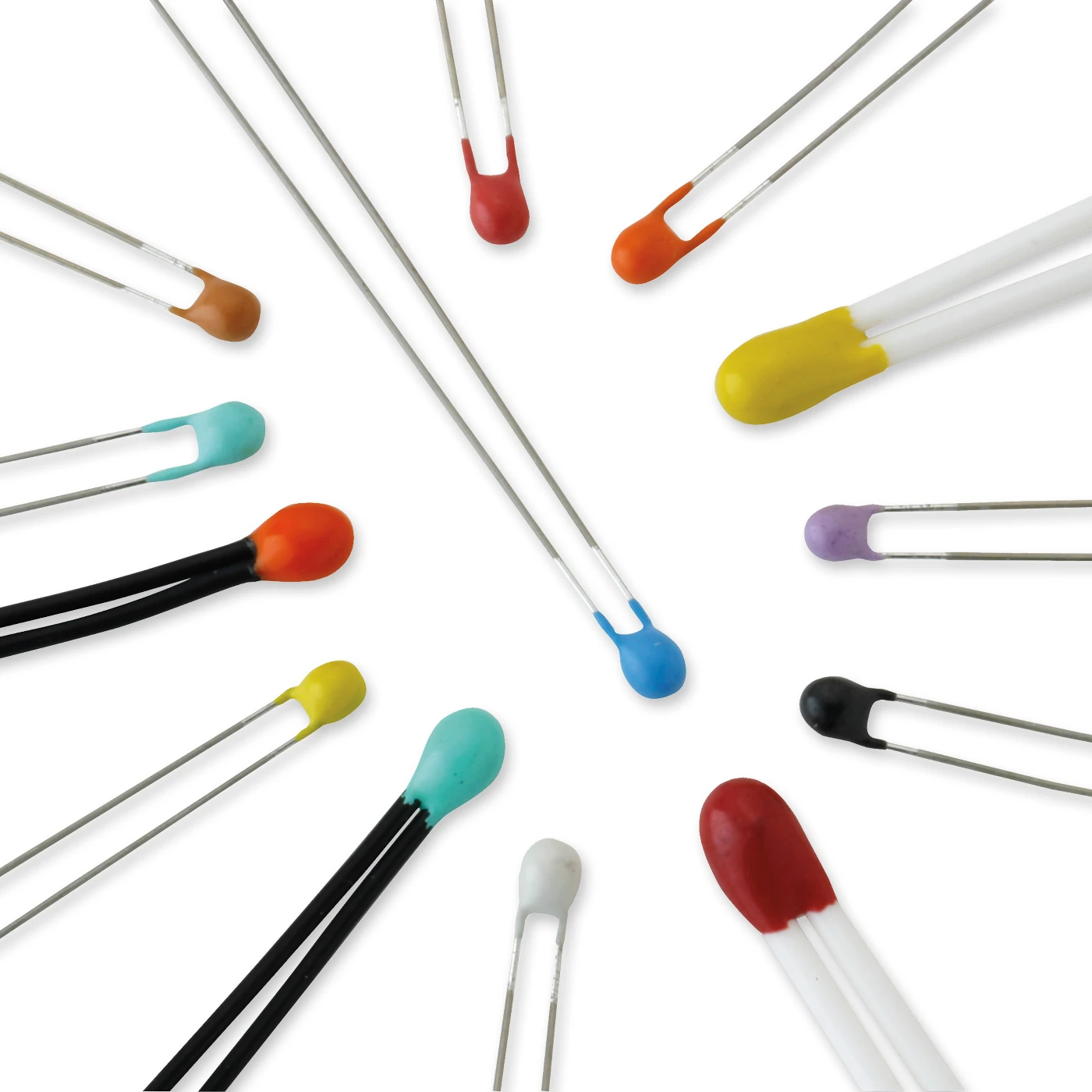
A really good guide on learn.adafruit
Here another tutorial: Make an Arduino Temperature Sensor on circuitbasics
Analog thermometer
These sensors use a solid-state technique to determine the temperature. That is to say, they don't use mercury (like old thermometers), bimetalic strips (like in some home thermometers or stoves), nor do they use thermistors (temperature sensitive resistors). Instead, they use the fact as temperature increases, the voltage across a diode increases at a known rate.
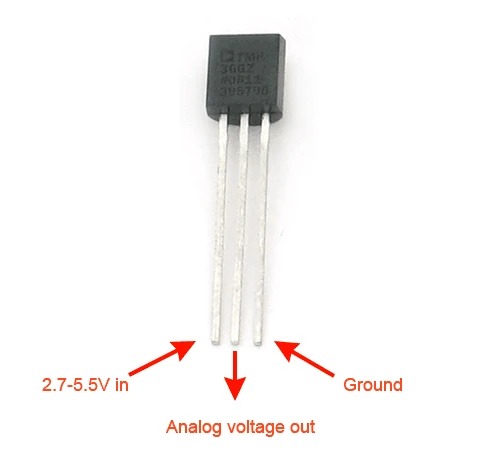
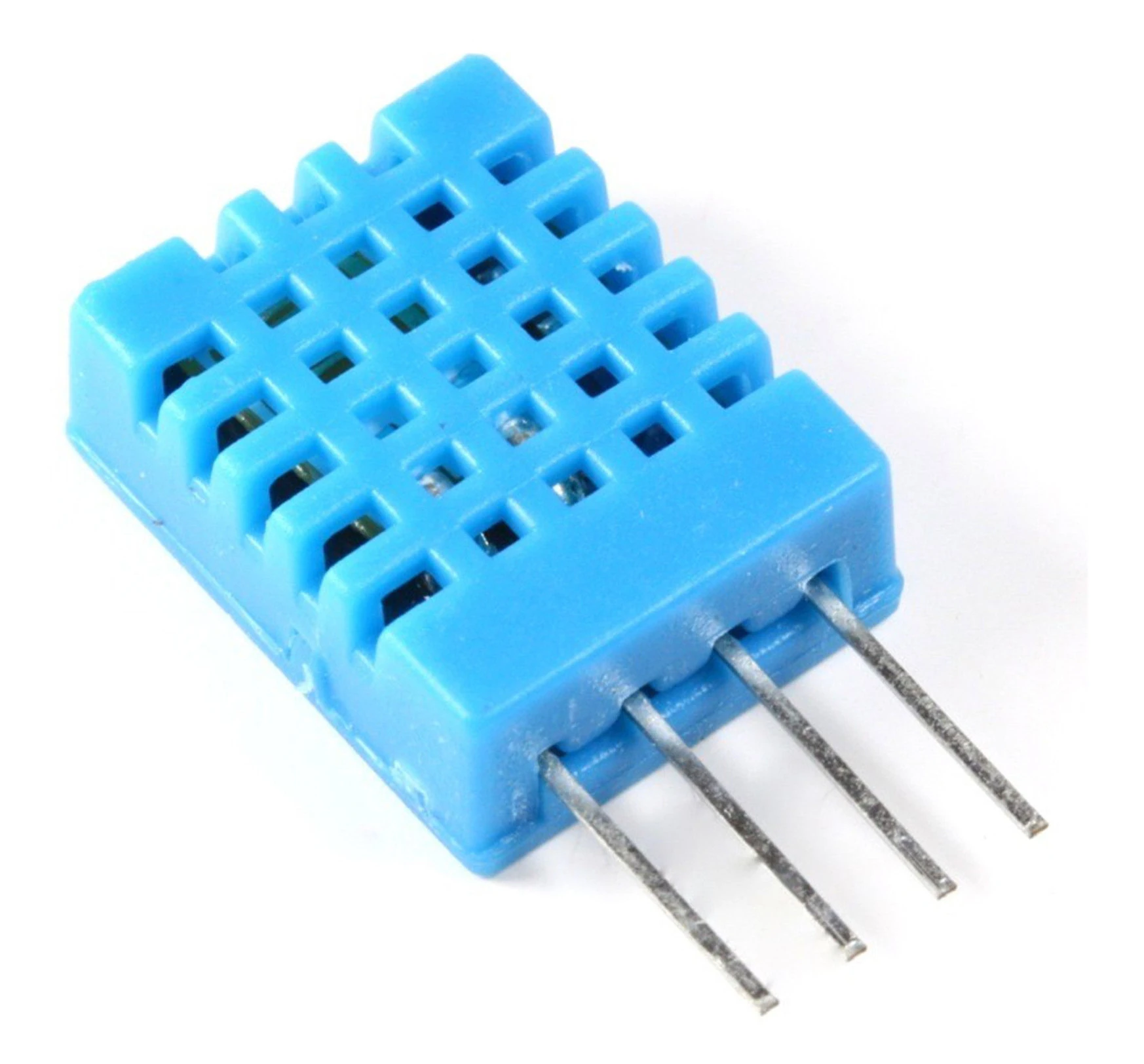
Great tutorial on how to use them on learn.adafruit
LM35 analog temperature sensor with Arduino on makerguides.com
How to Set Up the DHT11 Humidity and Temperature Sensor on an Arduino on youtube.com
Digital termometer
A digital thermometer uses any of the available temperature measuring technologies, like a thermistor, converts the values locally and reports a numeric reading through a digital protocol like I²C or 1-wire.

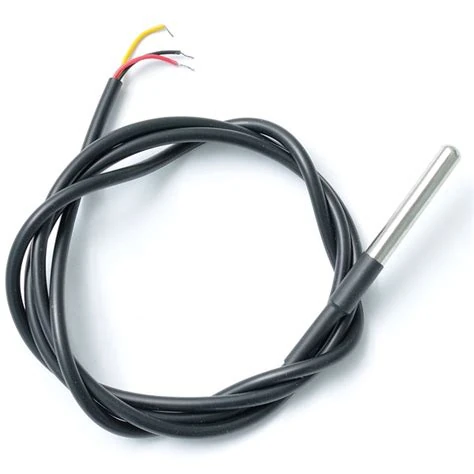
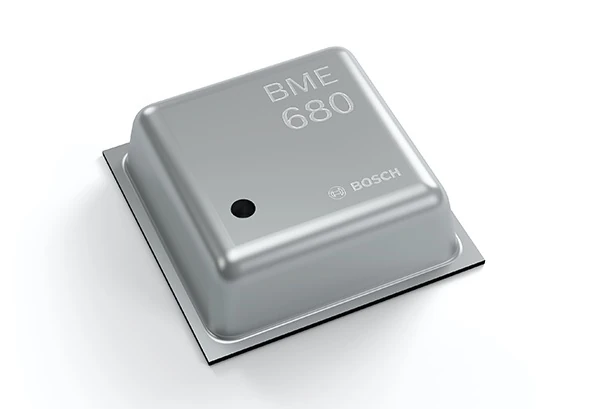
SHT35 information and hookup tutorial on wiki.dfrobot
DS18B20 digital temperature sensors with Arduino onb makerguides.com
BME680 how to guide on learn.adafruit
Thermocouple
thermocouples have no electronics inside them, they are simply made by welding together two metal wires. Because of a physical effect of two joined metals, there is a slight but measurable voltage across the wires that increases with temperature. The type of metals used affect the voltage range, cost and sensitivity,
📖 adafruit
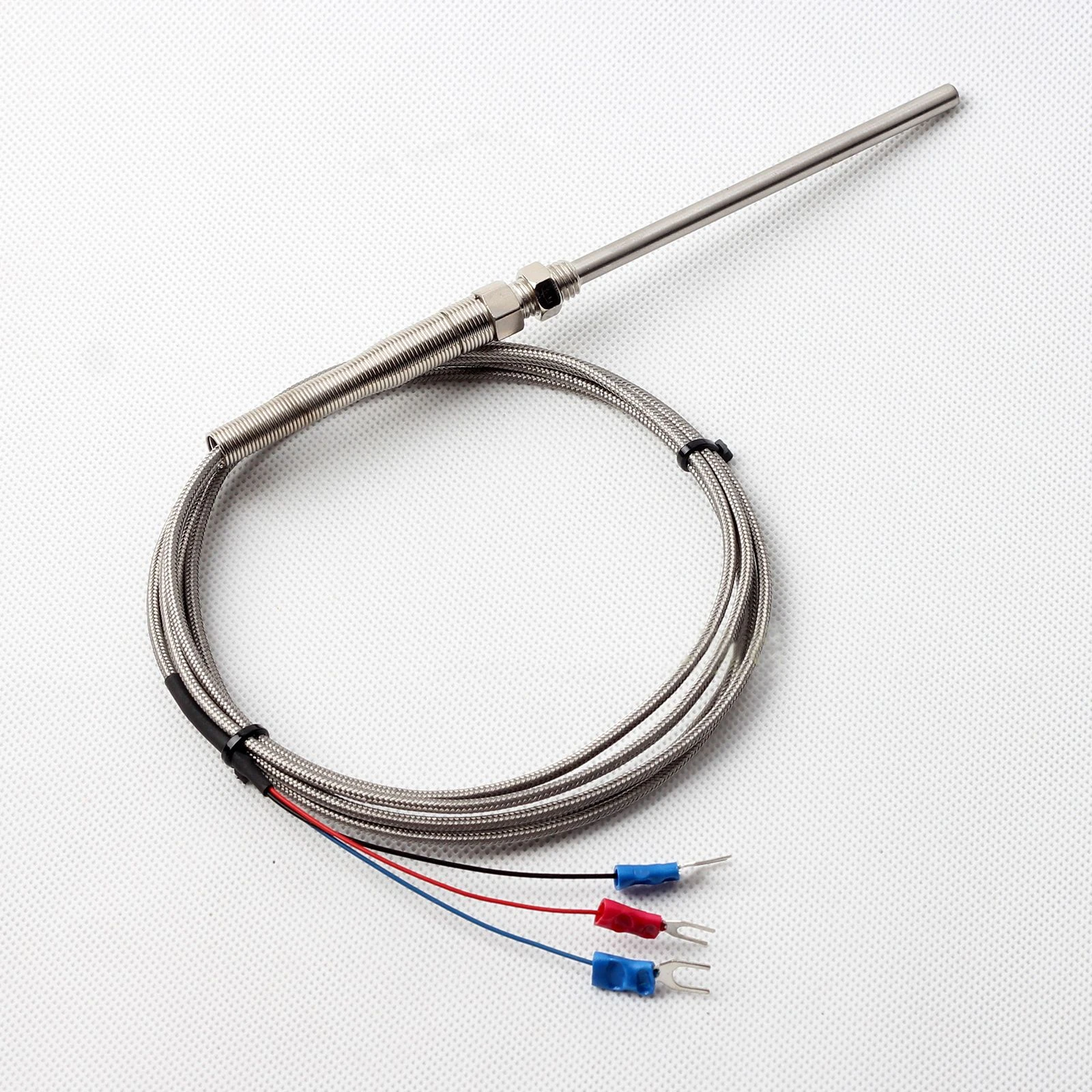
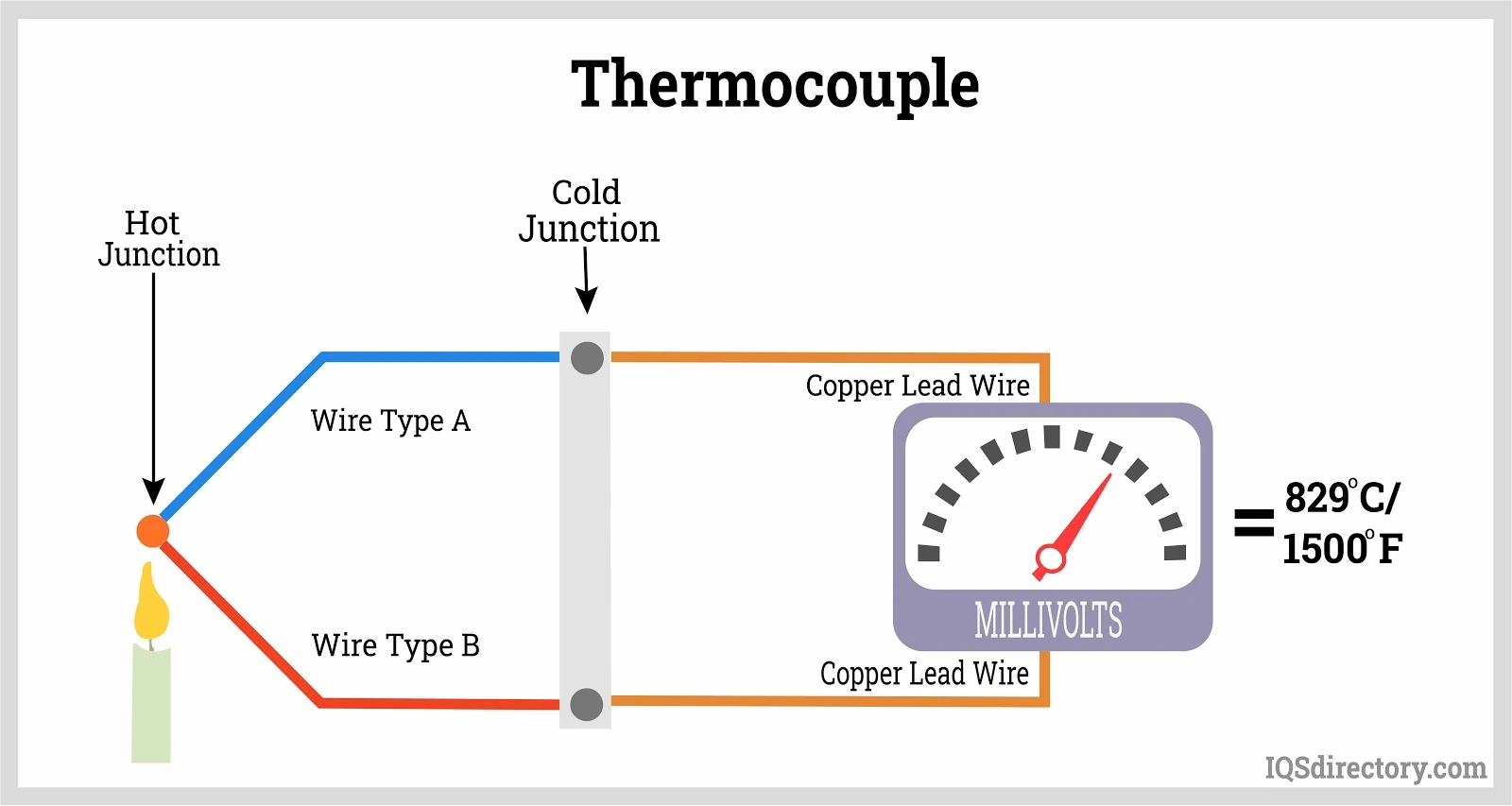
MAX31855 Thermocouple guide on learn.adafruit
Thermocouple Hookup Guide on learn.sparkfun
Thermocouple page on wikipedia
Infrared thermometer
An infrared thermometer is a thermometer which infers temperature from a portion of the thermal radiation sometimes called black-body radiation emitted by the object being measured. They are sometimes called laser thermometers as a laser is used to help aim the thermometer, or non-contact thermometers or temperature guns, to describe the device's ability to measure temperature from a distance. By knowing the amount of infrared energy emitted by the object and its emissivity, the object's temperature can often be determined within a certain range of its actual temperature. Infrared thermometers are a subset of devices known as "thermal radiation thermometers".
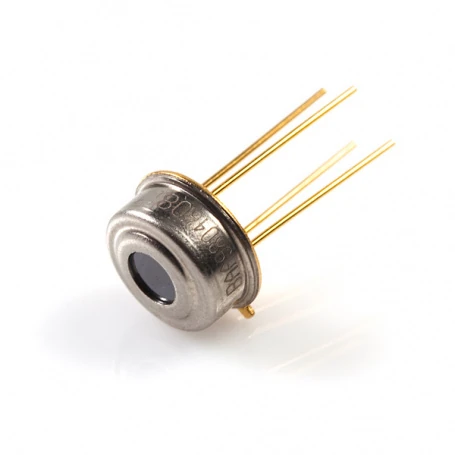
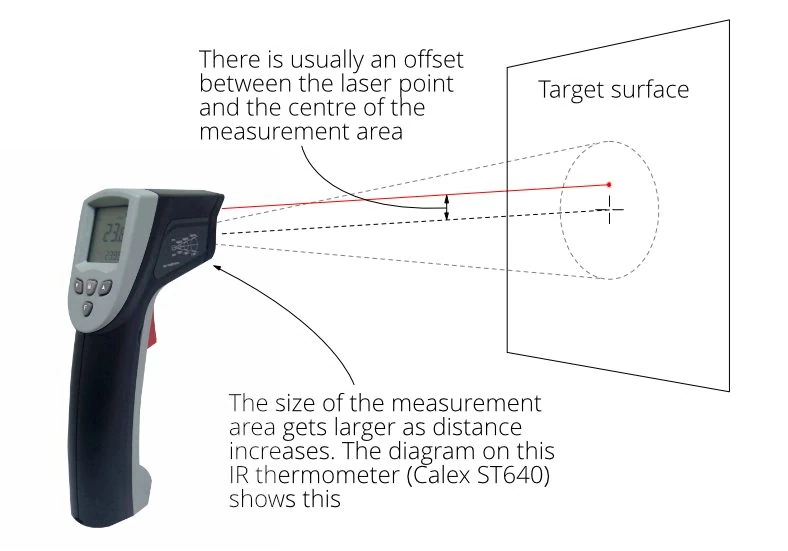
Building An IR Thermometer That Fits On Your Keychain on hackaday.com
MLX90614 IR Thermometer Hookup Guide on learn.sparkfun
Light
LDR
A photoresistor (also known as a light-dependent resistor, LDR, or photo-conductive cell) is a passive component that decreases in resistance as a result of increasing luminosity (light) on its sensitive surface, in other words, it exhibits photoconductivity. A photoresistor can be used in light-sensitive detector circuits
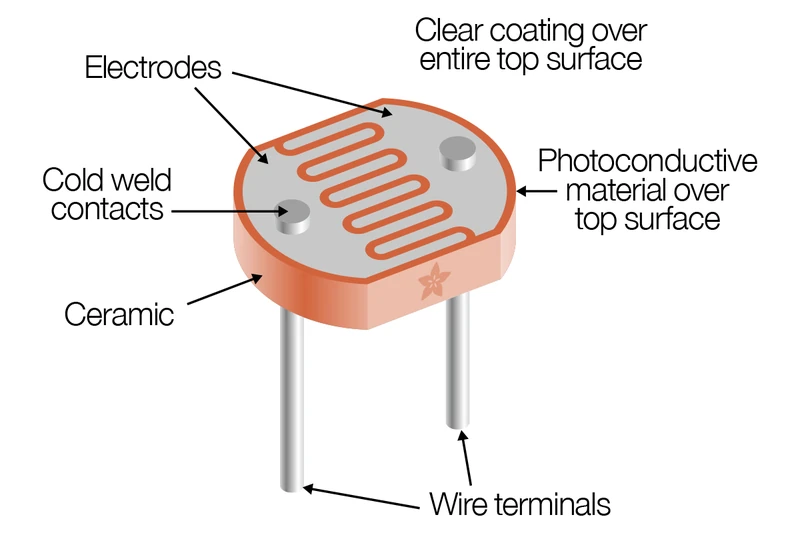
Photocells guide on learn.adafruit
Photocell Hookup Guide learn.sparkfun
Jump Cacti With An LDR And A Pico on hackaday.com
Photodiode
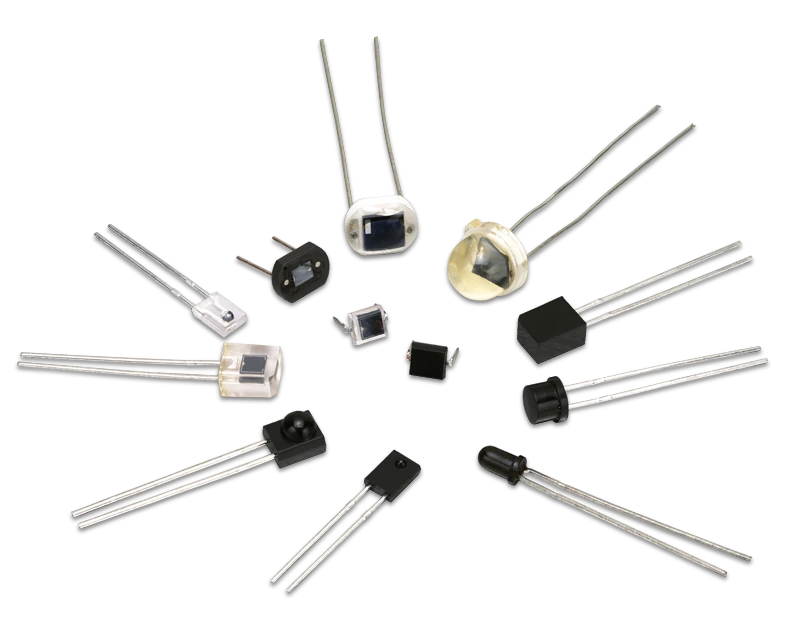
A photodiode is a semiconductor diode sensitive to photon radiation, such as visible light, infrared or ultraviolet radiation, X-rays and gamma rays. It produces an electrical current when it absorbs photons

Digital light sensor
The same as in thermometers a digital light sensor can use different measuring technics, convert the values locally and report a numeric reading through a digital protocol.
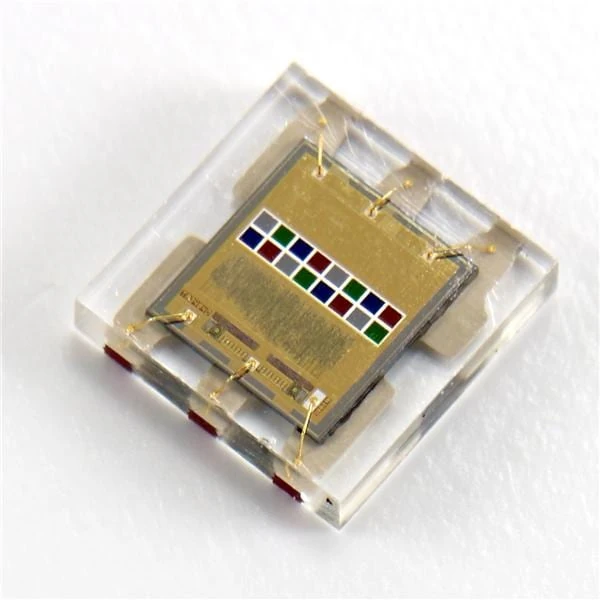

TSL2591 High Dynamic Range Digital Light Sensor on learn.adfruit
Light Meter on learn.adafruit
LilyPad Light Sensor V2 Hookup Guide on learn.sparkfun
Color
There are two types of color sensors. One illuminates the object with broad wavelength light and differentiates the three types of colors in the receiver. The other type illuminates the object with the three types of light (red, blue, and green) independently. In both scenarios, the received light intensity of red, blue and green are detected, and the ratio of light received is calculated.
📖 keyence
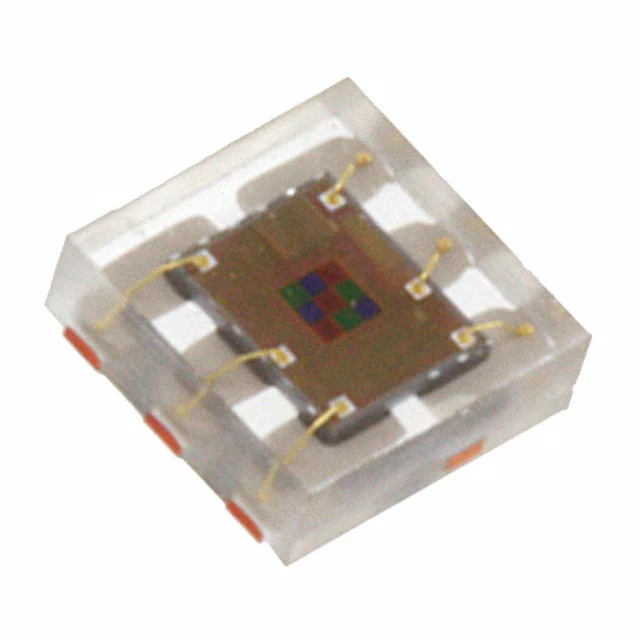
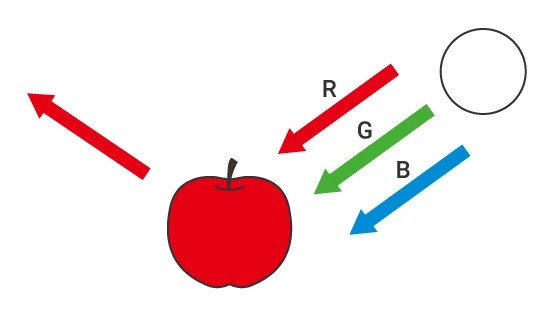
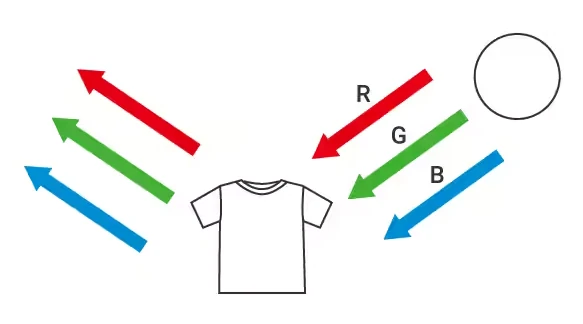
What is a Color sensor? on keyence.com
Color Sensor From An RGB LED And A Photocell on hackaday.com
Adafruit Color Sensors on learn.adafruit
A nice project: FLORAbrella on learn.adafruit
UV light
Ultraviolet radiation, also known as simply UV, is electromagnetic radiation of wavelengths of 10–400 nanometers, shorter than that of visible light, but longer than X-rays. UV radiation is present in sunlight, and constitutes about 10% of the total electromagnetic radiation output from the Sun.
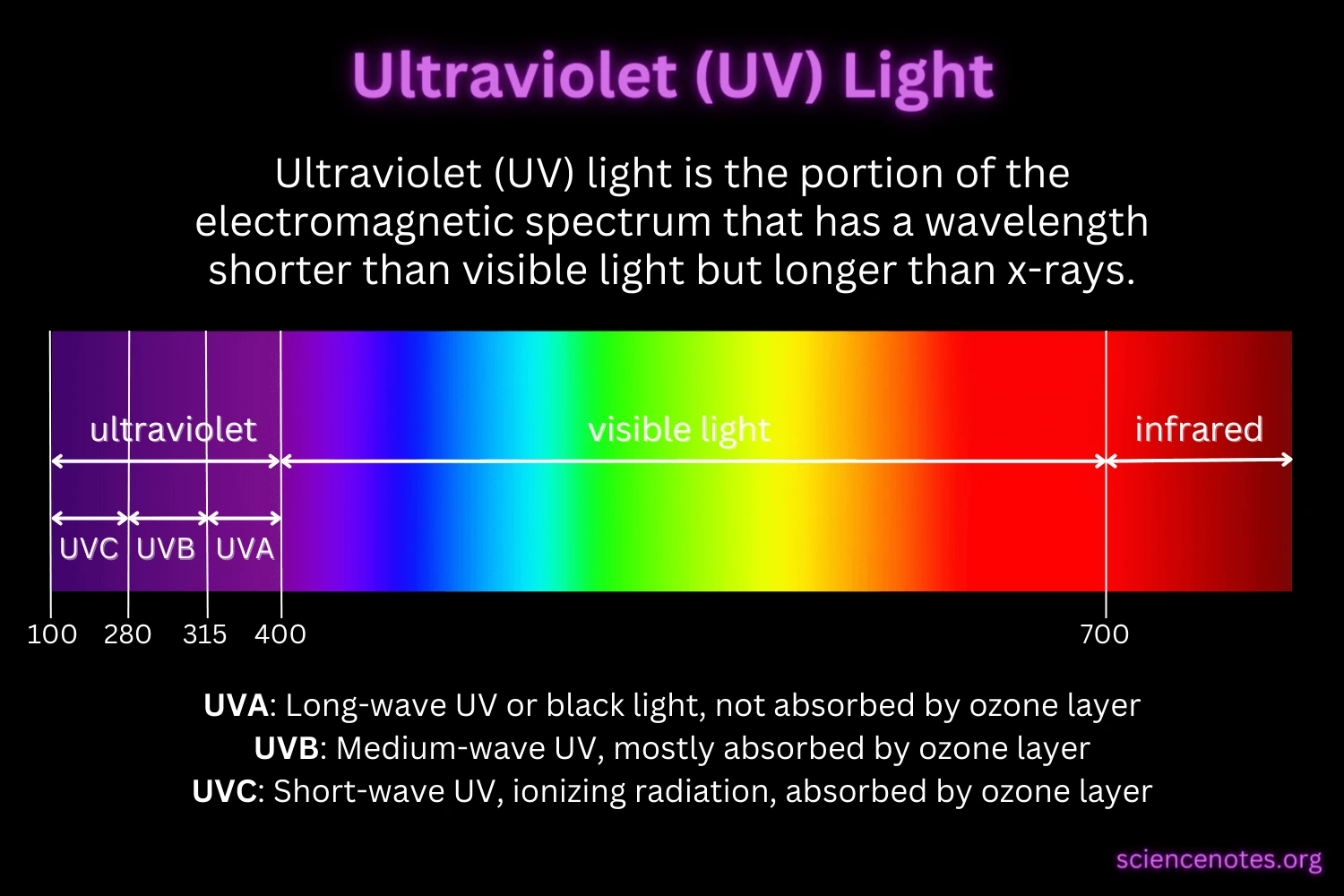
Sunscreen Reminder Hat project on learn.adafruit
ML8511 UV Sensor Hookup Guide on learn.sparkfun
Adafruit VEML6075 UVA / UVB / UV Index Sensor on learn.adafruit
Camera
A digital camera, also called a digicam, is a camera that captures photographs in digital memory. Most cameras produced today are digital, largely replacing those that capture images on photographic film or film stock. Digital cameras are now widely incorporated into mobile devices like smartphones with the same or more capabilities and features of dedicated cameras
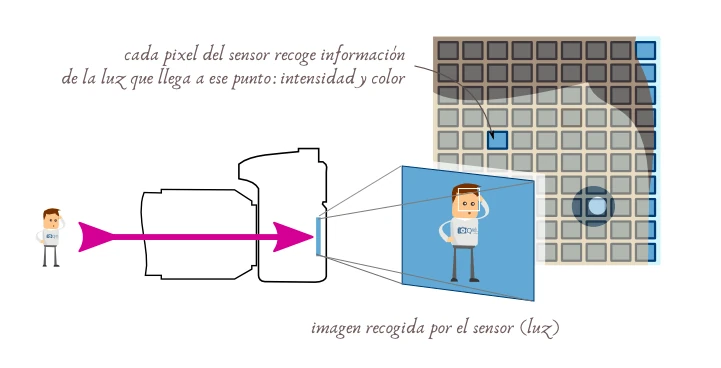
An image sensor or imager is a sensor that detects and conveys information used to form an image. It does so by converting the variable attenuation of light waves (as they pass through or reflect off objects) into signals, small bursts of current that convey the information.
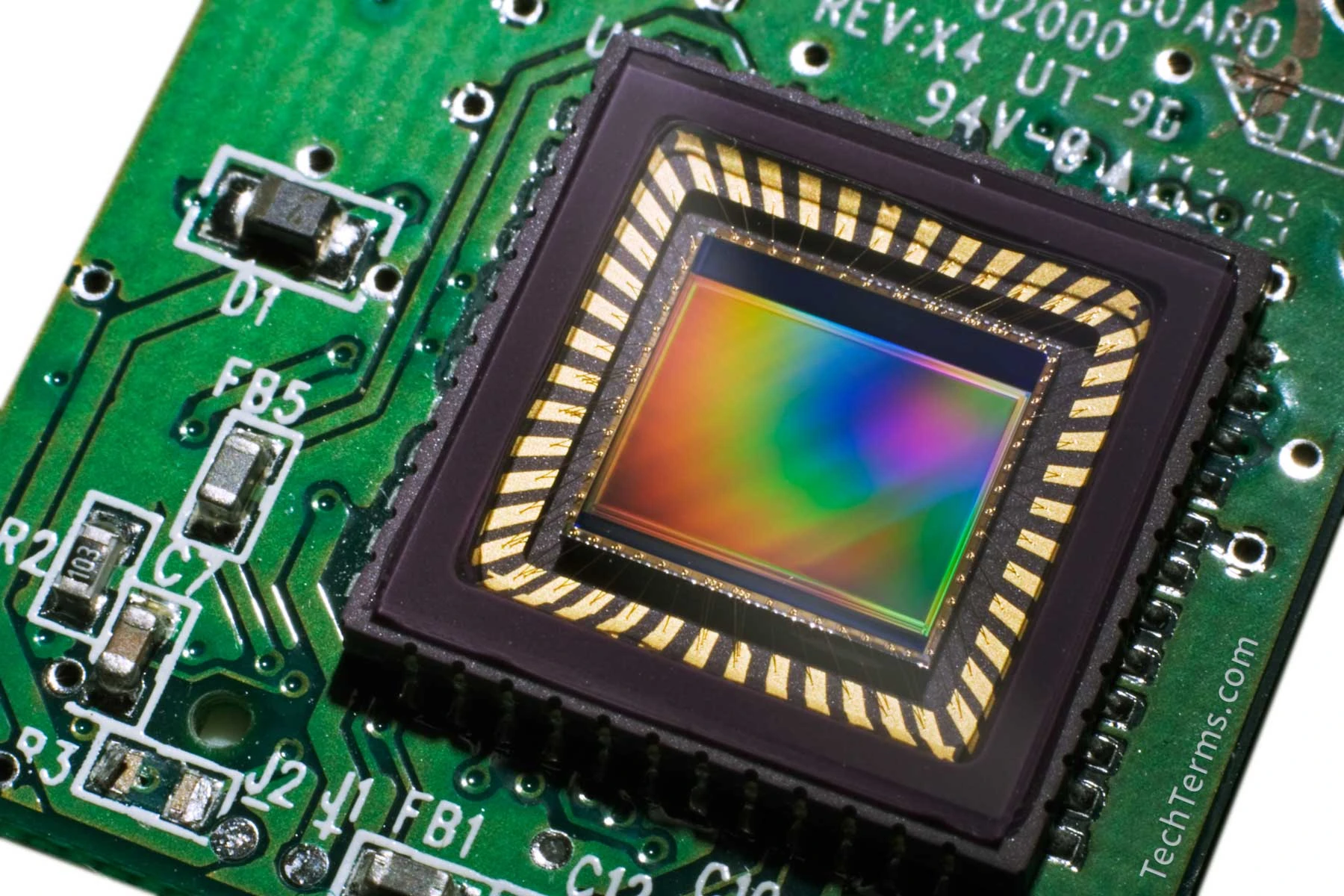
Cómo funciona el sensor de una cámara digital on quecamarareflex.com
All About Raspberry Pi HQ Camera Lenses on learn.adafruit
Image processing and Computer vision as sensor
Computer vision tasks include methods for acquiring, processing, analyzing and understanding digital images, and extraction of high-dimensional data from the real world in order to produce numerical or symbolic information, e.g. in the forms of decisions.

Digital image processing is the use of a digital computer to process digital images through an algorithm... In particular, digital image processing is a concrete application of, and a practical technology based on: Classification, Feature extraction, Multi-scale signal analysis, Pattern recognition and Projection.
Open Source Computer Vision Library opencv.org
The basics of image processing and OpenCV Article on ibm.com
The Cloak Of Invisibility Against Image Recognition on hackaday
Ping Pong Ball Robot with Realtime Image Processing Video
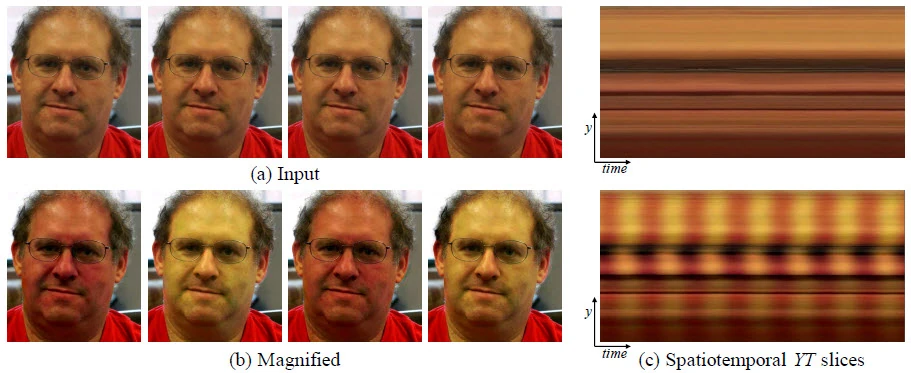
Eulerian Video Magnification for Revealing Subtle Changes in the World
Our goal is to reveal temporal variations in videos that are difficult or impossible to see with the naked eye and display them in an indicative manner. Our method, which we call Eulerian Video Magnification, takes a standard video sequence as input, and applies spatial decomposition, followed by temporal filtering to the frames. The resulting signal is then amplified to reveal hidden information. Using our method, we are able to visualize the flow of blood as it fills the face and also to amplify and reveal small motions. Our technique can run in real time to show phenomena occurring at temporal frequencies selected by the user.
📖 mit
Biometric
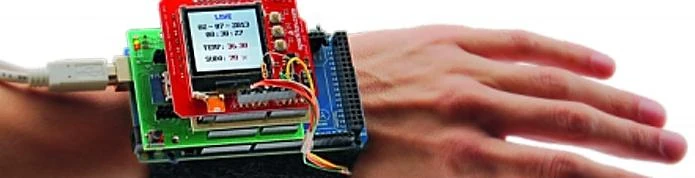
Biometrics are body measurements and calculations related to human characteristics and features. Biometric authentication (or realistic authentication) is used in computer science as a form of identification and access control. It is also used to identify individuals in groups that are under surveillance.
Biometric sensors let you monitor various biological signals. Notably, biometric sensors are critical for authentication purposes such as fingerprint sensors or facial recognition. However, biometrics are also useful for monitoring heart rate, pulse, muscle activity, and more.
Muscle sensor (Electromyography)
Electromyography (EMG) is a technique for evaluating and recording the electrical activity produced by skeletal muscles. EMG is performed using an instrument called an electromyograph to produce a record called an electromyogram. An electromyograph detects the electric potential generated by muscle cells when these cells are electrically or neurologically activated.
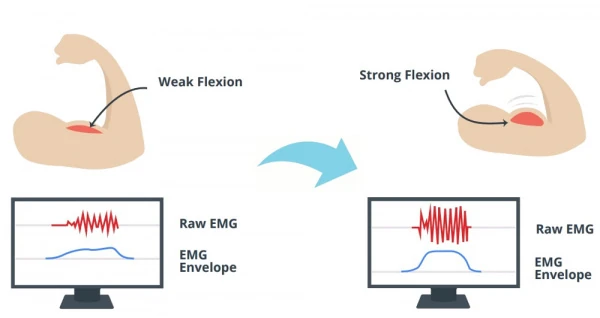
Measuring muscle activity by detecting its electric potential has traditionally been used for medical research. However, with the advent of ever shrinking yet more powerful microcontrollers and integrated circuits, EMG circuits and sensors have found their way into all kinds of control systems such as video games, robotics, and prosthetics!
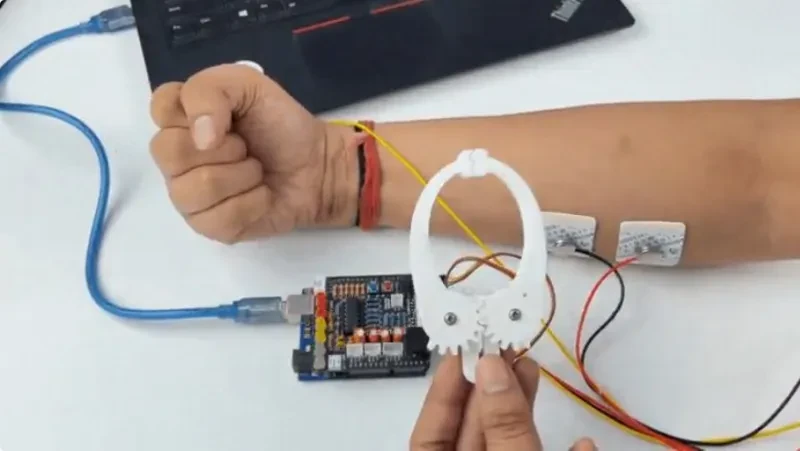
MyoWare hookUp guide on learn.sparkfun
Getting Started with MyoWare Muscle Sensor on lear.adafruit
3D Printed Controllable Prosthetic Hand via EMG video on youtube.com
Heart rate
Pulse oximetry is a noninvasive method for monitoring blood oxygen saturation. A standard pulse oximeter passes two wavelengths of light through tissue to a photodetector. Taking advantage of the pulsate flow of arterial blood, it measures the change in absorbance over the course of a cardiac cycle, allowing it to determine the absorbance due to arterial blood alone, excluding unchanging absorbance due to venous blood, skin, bone, muscle, fat, and, in many cases, nail polish. The two wavelengths measure the quantities of bound (oxygenated) and unbound (non-oxygenated) hemoglobin, and from their ratio, the percentage of bound hemoglobin is computed.
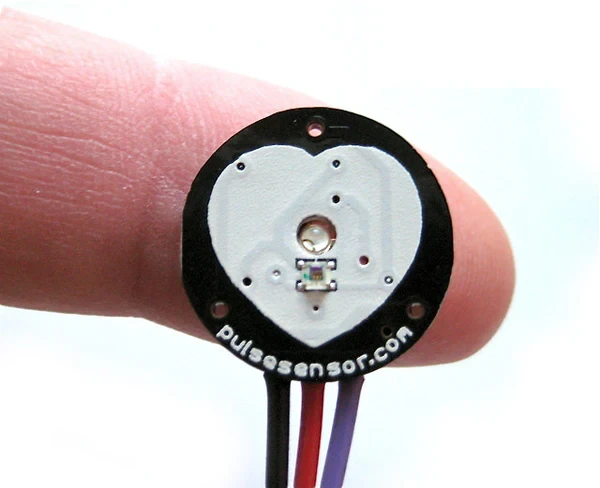
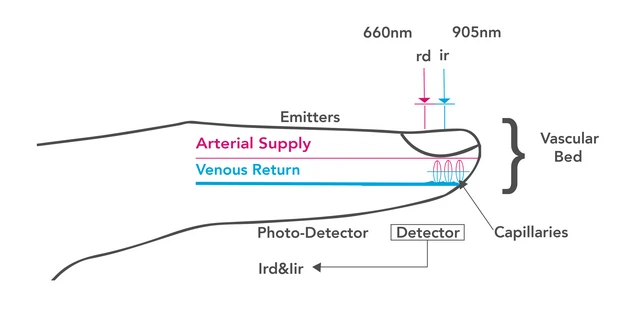
Oximeter do it yourself on hackaday.io
Pulse Oximeter and Heart Rate Monitor Hookup Guide on learn.sparkfun
3D printed Pulse Visualizer on hackaday.com
A really popular and easy to use sensor on pulsesensor.com
WiFi signals can measure heart rate - no wearables needed on ucsc.edu
Finger print
A fingerprint is an impression left by the friction ridges of a human finger.
Human fingerprints are detailed, unique, difficult to alter, and durable over the life of an individual, making them suitable as long-term markers of human identity.

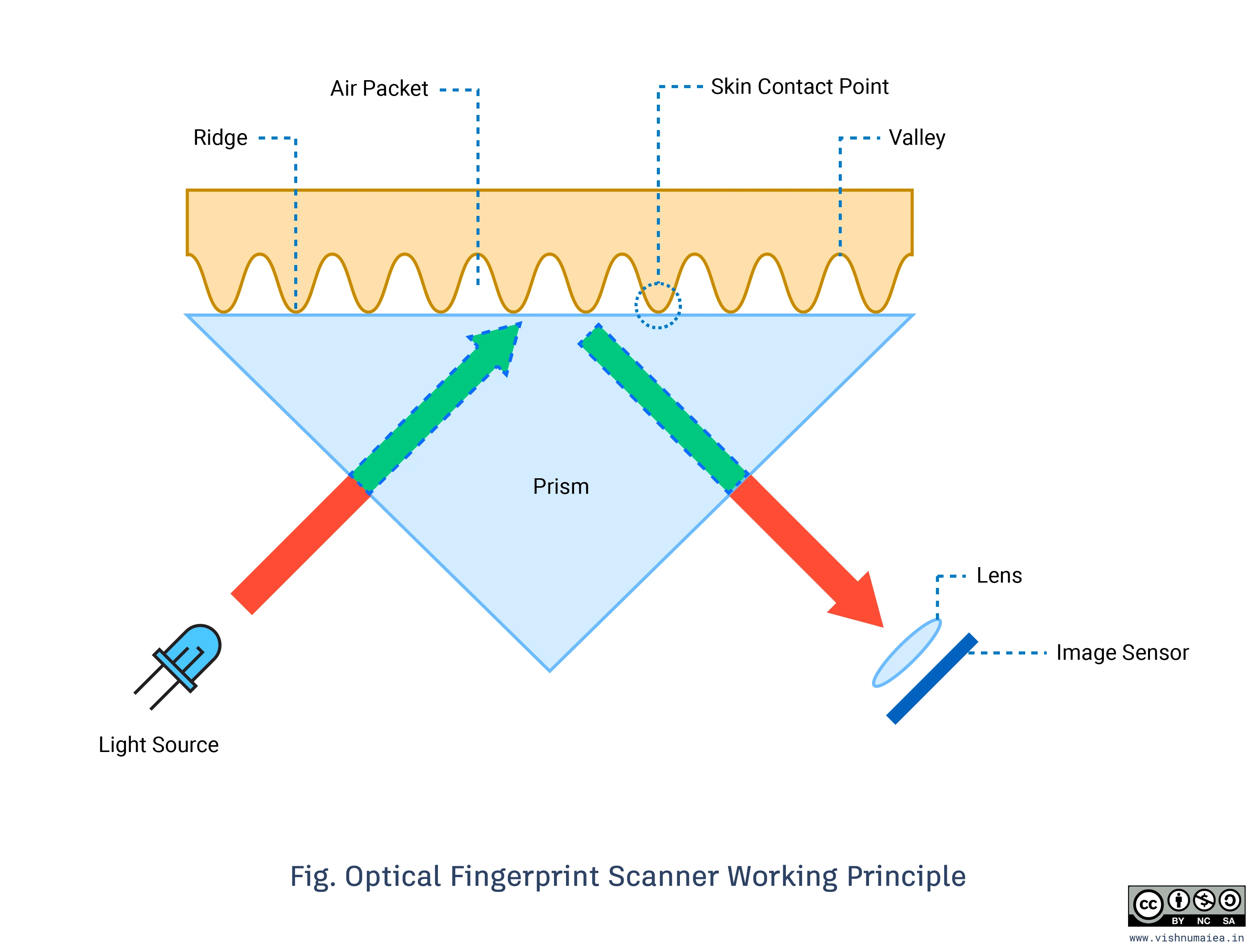
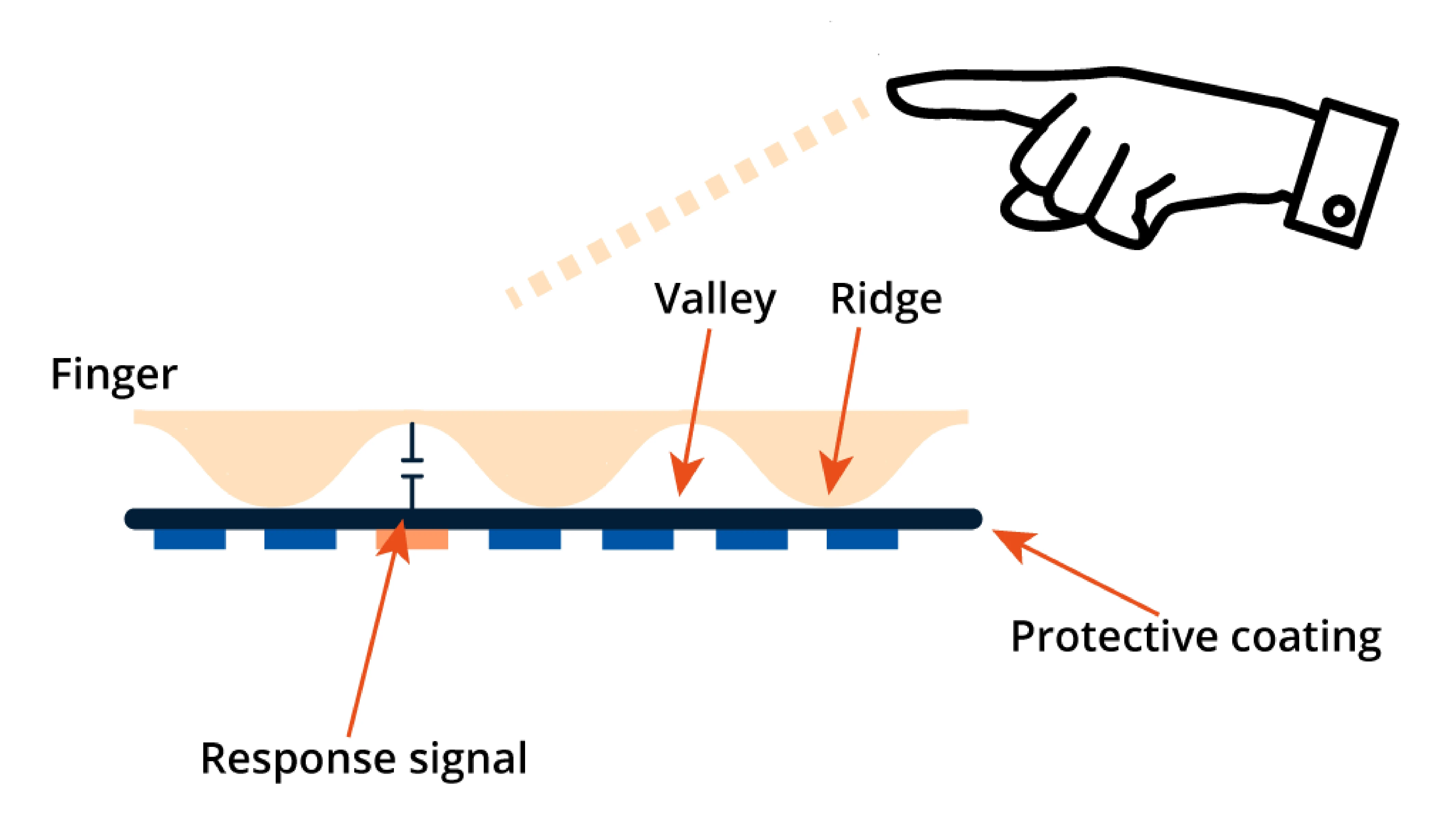
Fingerprint scanners are security systems of biometrics. They are used in police stations, security industries, smartphones, and other mobile devices. There are four types of fingerprint scanners: optical scanners, capacitance scanners, ultrasonic scanners, and thermal scanners.
Optical
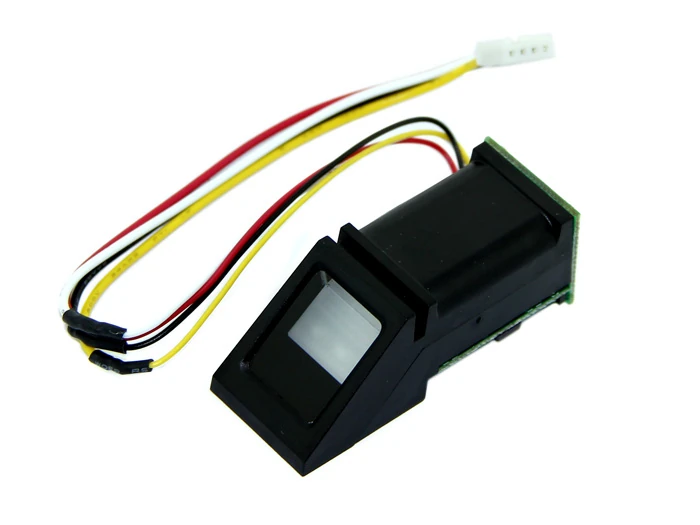
Capacitive
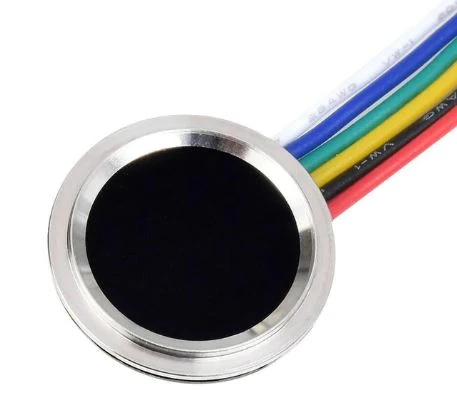
Good Adafruit Optical Fingerprint Sensor tutorial on learn.adafruit
SKUSEN0348 Capacitive fingerprint sensor wiki on dfrobot.com
Capacitive Fingerprint Sensor / Scanner Arduino Tutorial | ESP8266 video on youtube.com
Fingerprint Scanner (GT-521Fxx) Hookup Guide (optical) on learn.sparkfun
EEG Electroencephalogram
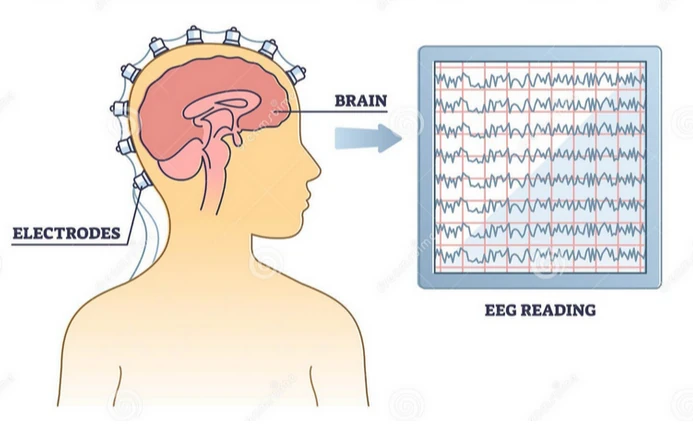
Electroencephalography (EEG) is a method to record an electrogram of the spontaneous electrical activity of the brain.
A healthy human EEG will show certain patterns of activity that correlate with how awake a person is. The range of frequencies one observes are between 1 and 30 Hz, and amplitudes will vary between 20 and 100 μV. The observed frequencies are subdivided into various groups: alpha (8–13 Hz), beta (13–30 Hz), delta (0.5–4 Hz), and theta (4–7 Hz).Alpha waves are observed when a person is in a state of relaxed wakefulness and are mostly prominent over the parietal and occipital sites. During intense mental activity, beta waves are more prominent in frontal areas as well as other regions. If a relaxed person is told to open their eyes, one observes alpha activity decreasing and an increase in beta activity. Theta and delta waves are not generally seen in wakefulness - if they are, it is a sign of brain dysfunction.
Raspberry pi Low-cost Brain-computer interface PiEEG on pieeg.com
Mindwave product page on neurosky.com
MindWave Mobile and Arduino on developer.neurosky
How to hack Toy EEGs frontiernerds.com
Speaker recognition
Speaker recognition is the identification of a person from characteristics of voices. It is used to answer the question "Who is speaking?"
Speaker recognition has a history dating back some four decades as of 2019 and uses the acoustic features of speech that have been found to differ between individuals. These acoustic patterns reflect both anatomy and learned behavioral patterns.
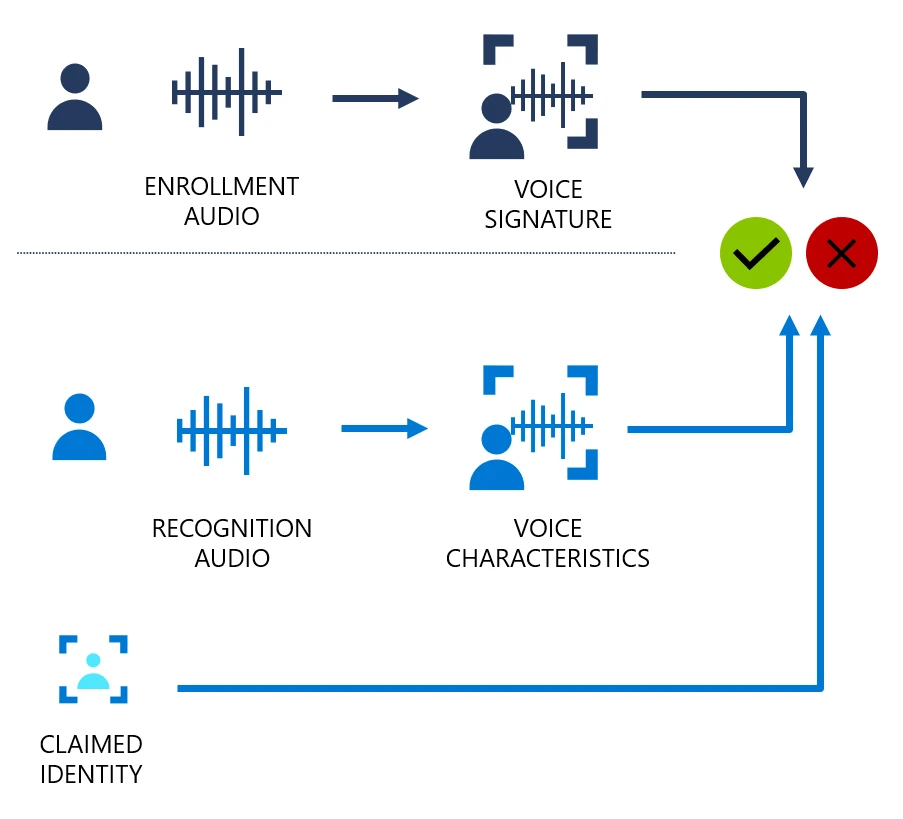
MARF, The Modular Audio Recognition Framework on sourceforge.net
Piwho is python wrapper around MARF for the Raspberry Pi on github.com
Speech recognition
Speech recognition is an interdisciplinary subfield of computer science and computational linguistics that develops methodologies and technologies that enable the recognition and translation of spoken language into text by computers. It is also known as automatic speech recognition (ASR), computer speech recognition or speech-to-text (STT). It incorporates knowledge and research in the computer science, linguistics and computer engineering fields. The reverse process is speech synthesis.
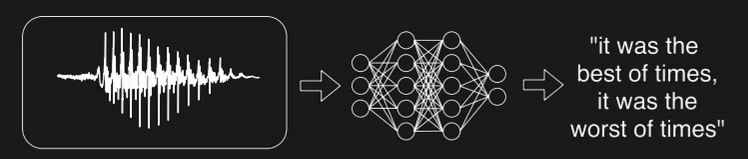
Vosk Speech Recognition Toolkit on github.com
and a Simple python interface: Nerd Dictation on github.com
A really impresive work: Speech Recognition With an Arduino Nano on instructablesd.com
Facial recognition
A facial recognition system is a technology potentially capable of matching a human face from a digital image or a video frame against a database of faces. Such a system is typically employed to authenticate users through ID verification services, and works by pinpointing and measuring facial features from a given image.

Facial Detection and Recognition with MEMENTO on learn.adafruit
Person Sensor by Useful Sensors on sparkfun.com and its documentation on github.com
Raspberry Pi Face Recognition Treasure Box on learn.adafruit
Circumvent Facial Recognition With Yarn on hackaday.com
Iris Scanner
Iris recognition is an automated method of biometric identification that uses mathematical pattern-recognition techniques on video images of one or both of the irises of an individual's eyes, whose complex patterns are unique, stable, and can be seen from some distance.
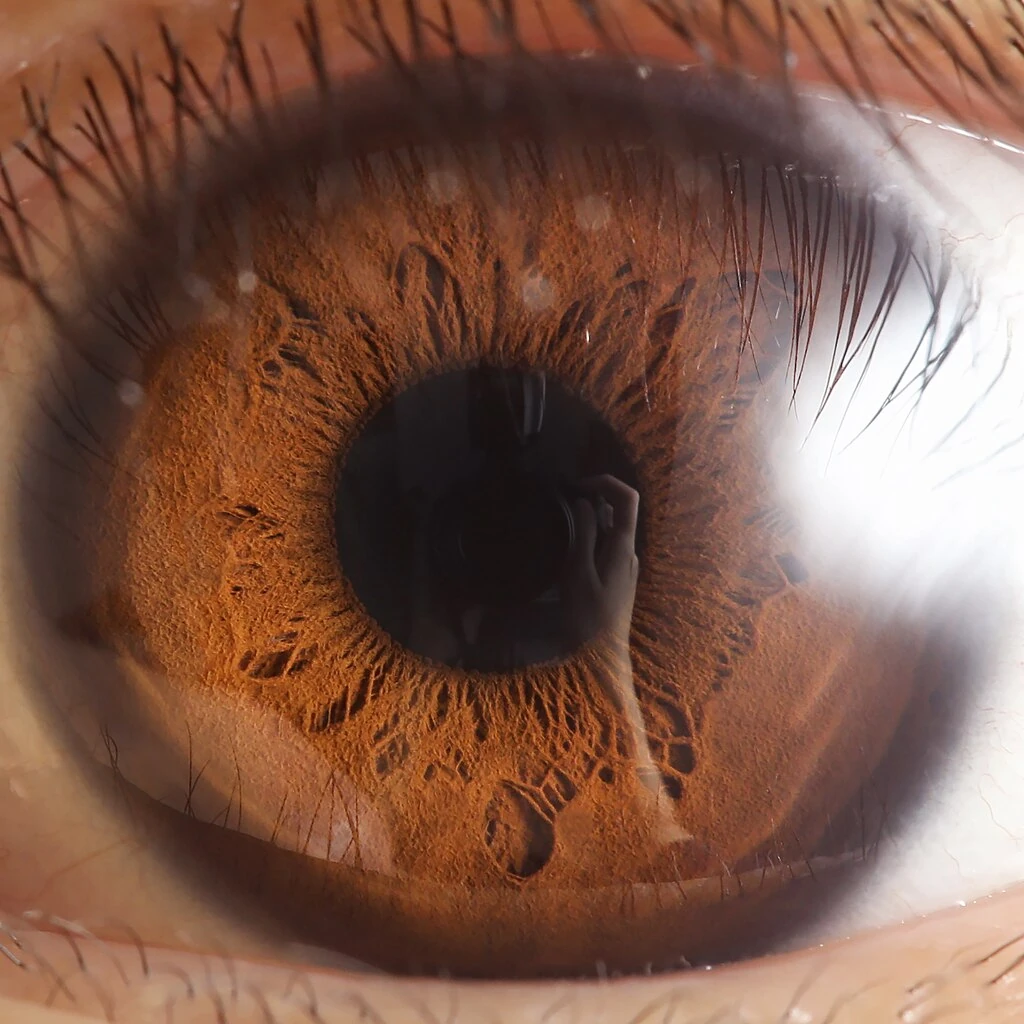
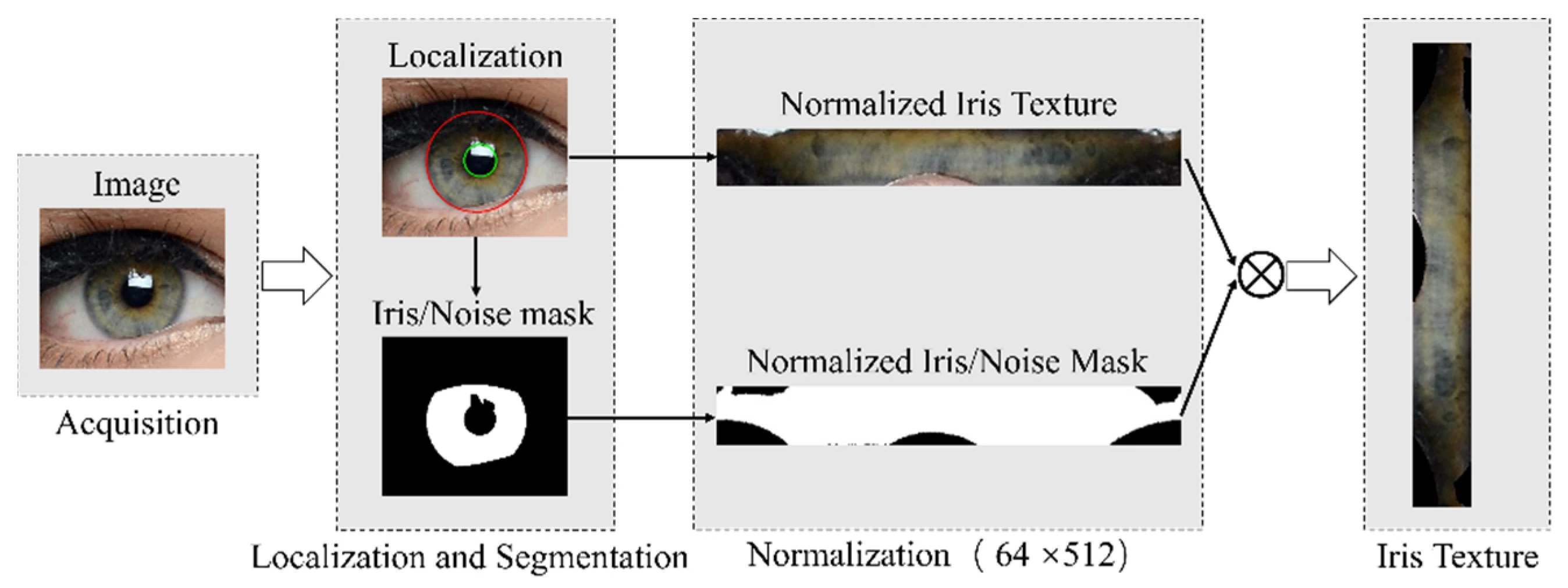
Fooling Samsung Galaxy S8 Iris Recognition on hackaday.com
Raspberry Pi Open Source Iris on github.com
Thin-Film Biosensors
Human skin is flexible, so matching the flexibility of skin allows these thin-film sensors to adhere more comfortably and naturally to a person’s body.
An instrumentation amplifier to measure heart rate (and oftentimes respiratory rate) from the electrocardiogram, a light-emitting diode, and photosensor pair to measure heart rate, respiration, and blood oxygen from the photoplethysmograph, a thermistor or non-contact infrared sensor to measure temperature, and an accelerometer to measure activity.

Article on hackaday.com
and original Research Article
Magnetic
Hall sensor
A Hall effect sensor (also known as a Hall sensor or Hall probe) is any sensor incorporating one or more Hall elements, each of which produces a voltage proportional to one axial component of the magnetic field vector B using the Hall effect (named for physicist Edwin Hall).
Hall sensors are used for proximity sensing, positioning, speed detection, and current sensing applications and are common in industrial and consumer applications.
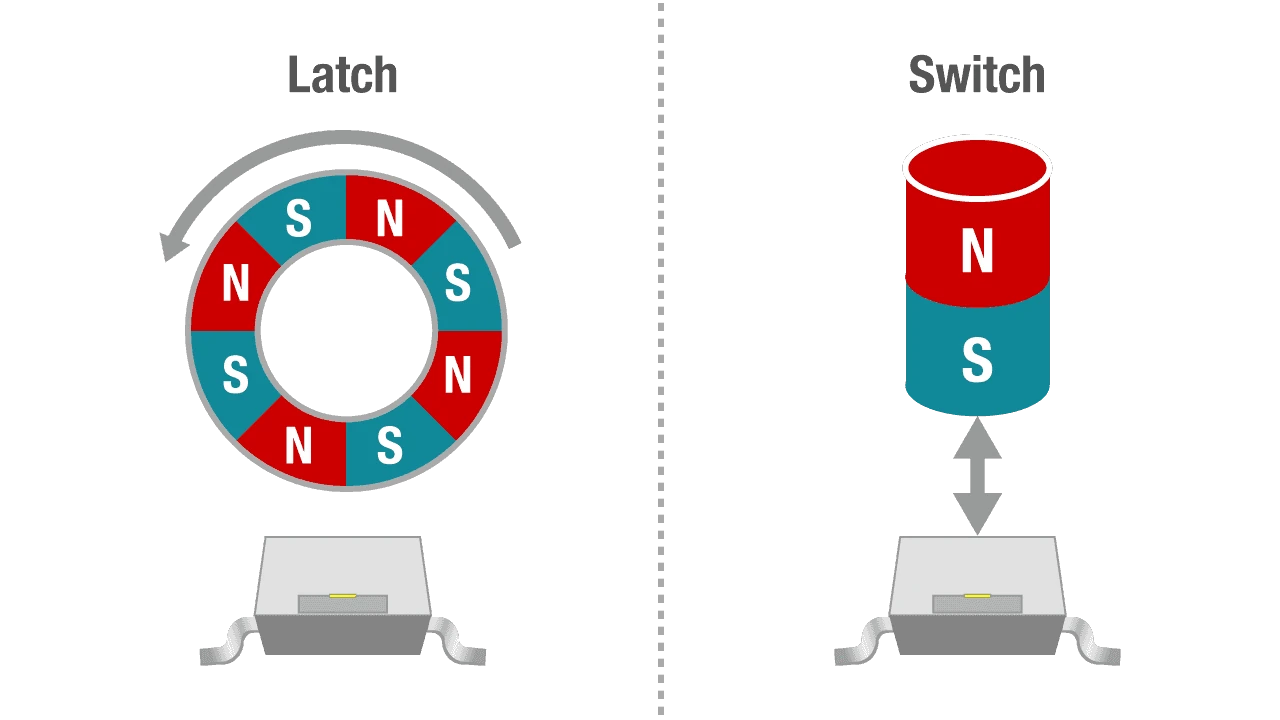
Hall effect
The Hall effect is the production of a potential difference (the Hall voltage) across an electrical conductor that is transverse to an electric current in the conductor and to an applied magnetic field perpendicular to the current. It was discovered by Edwin Hall in 1879.
Practical Sensors: The Hall Effect on hackaday.com
A Simple 6DOF Hall Effect ‘Space’ Mouse build on hackaday.com with a really nice video of the process on youtube.com
Reed switch
The reed switch is an electromechanical switch operated by an applied magnetic field. It was invented in 1922 by professor Valentin Kovalenkov at the Petrograd Electrotechnical University, and later evolved at Bell Telephone Laboratories in 1936 by Walter B. Ellwood into the reed relay.
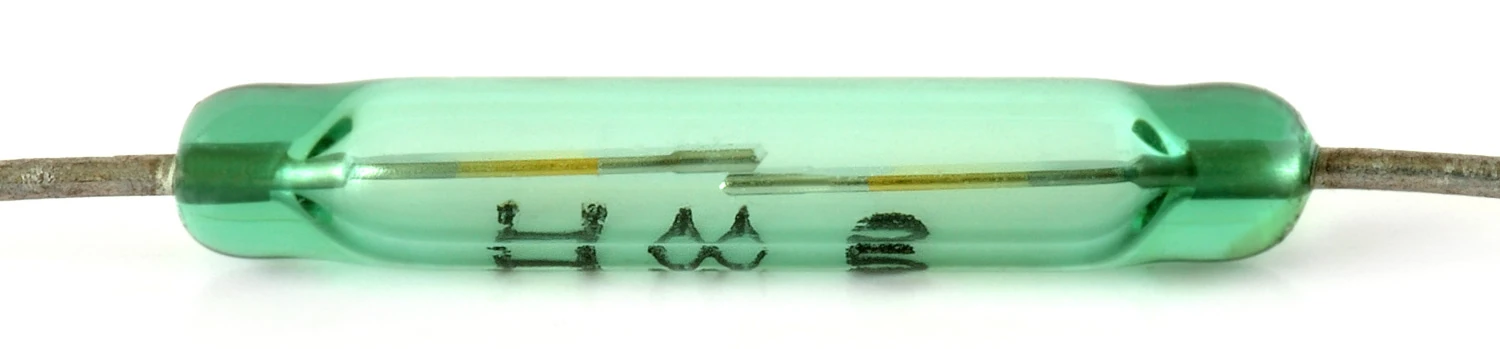
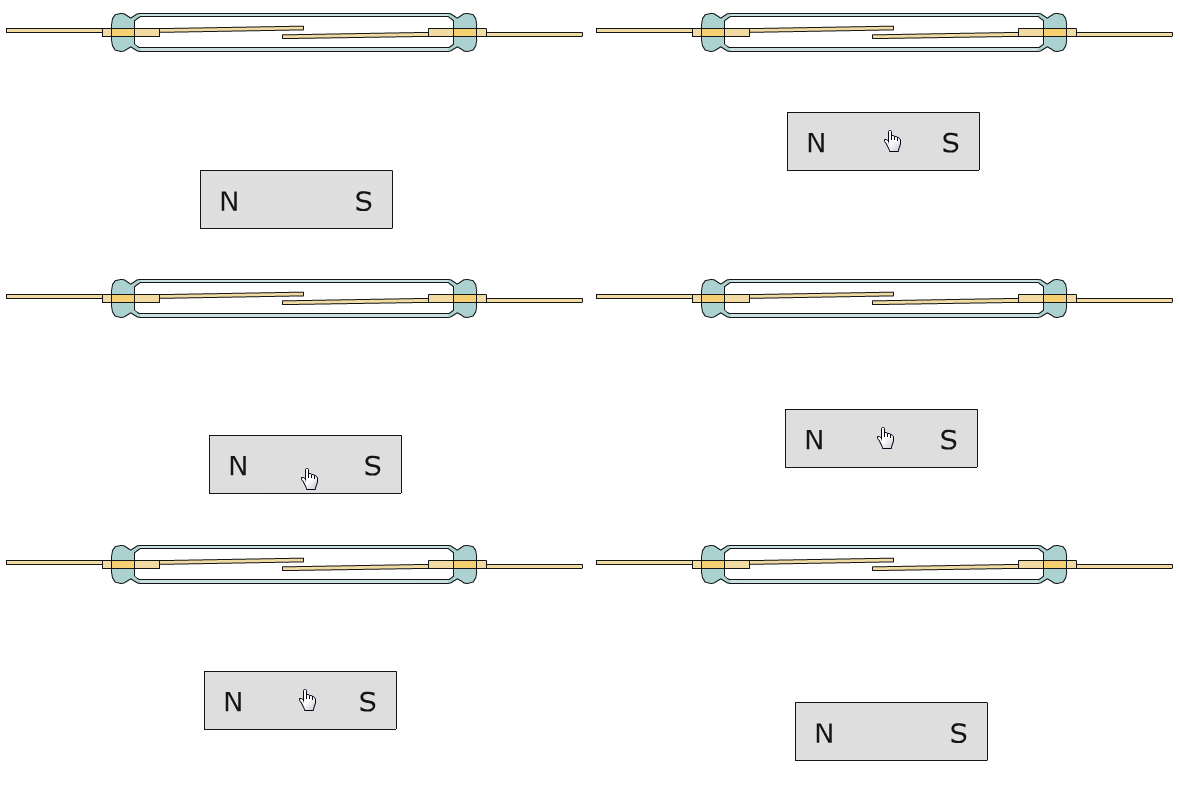
Mechanisms: The Reed Switch on hackaday.com
Reed switch hookup guide on sparkfun.learn
How to make your own reed switch video on youtube.com
How Reed Switches are Manufactured video on youtube.com
Magnetometer (compass)
A magnetometer is a device that measures magnetic field or magnetic dipole moment. Different types of magnetometers measure the direction, strength, or relative change of a magnetic field at a particular location. A compass is one such device, one that measures the direction of an ambient magnetic field, in this case, the Earth's magnetic field.
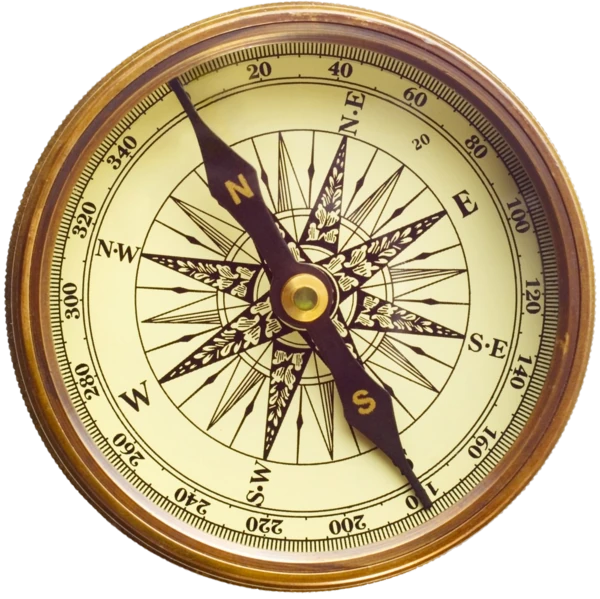
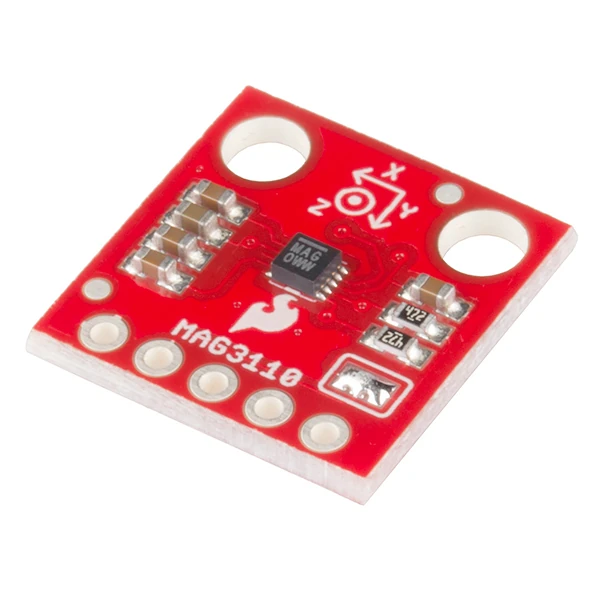
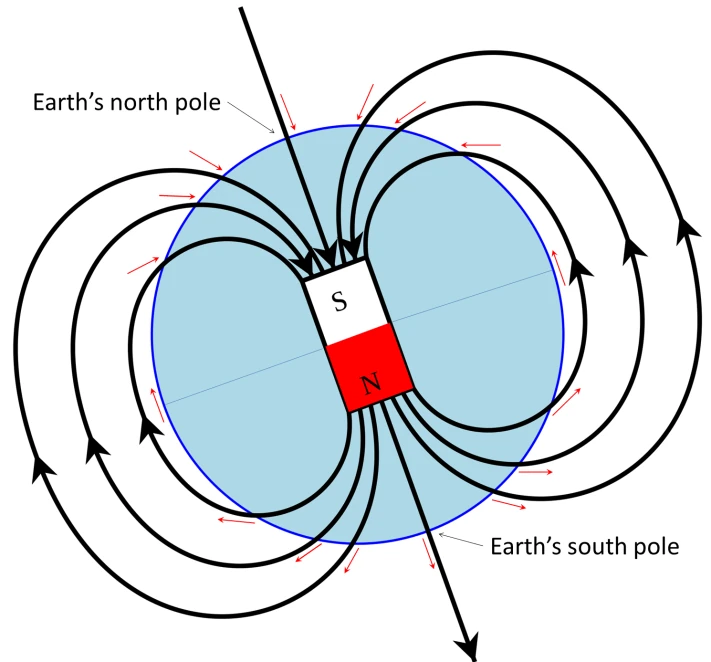
What is a Magnetometer and How Does It Work? on youngwonks.com
Magnetometer calibration tutorial on learn.adafruit
Good reading on magnetic fields on hyperphysics.phy-astr.gsu.edu
MAG3110 Magnetometer Hookup Guide on learn.sparkfun
Building A Digital Compass With An Arduino on gackaday.com and video on youtube.com
Digital compass build on learn.adafruit
Radiation (Geiger counter)
A Geiger counter also known as a Geiger–Müller counter or G-M counter is an electronic instrument used for detecting and measuring ionizing radiation.
A Geiger counter consists of a Geiger–Müller tube (the sensing element which detects the radiation) and the processing electronics, which display the result.
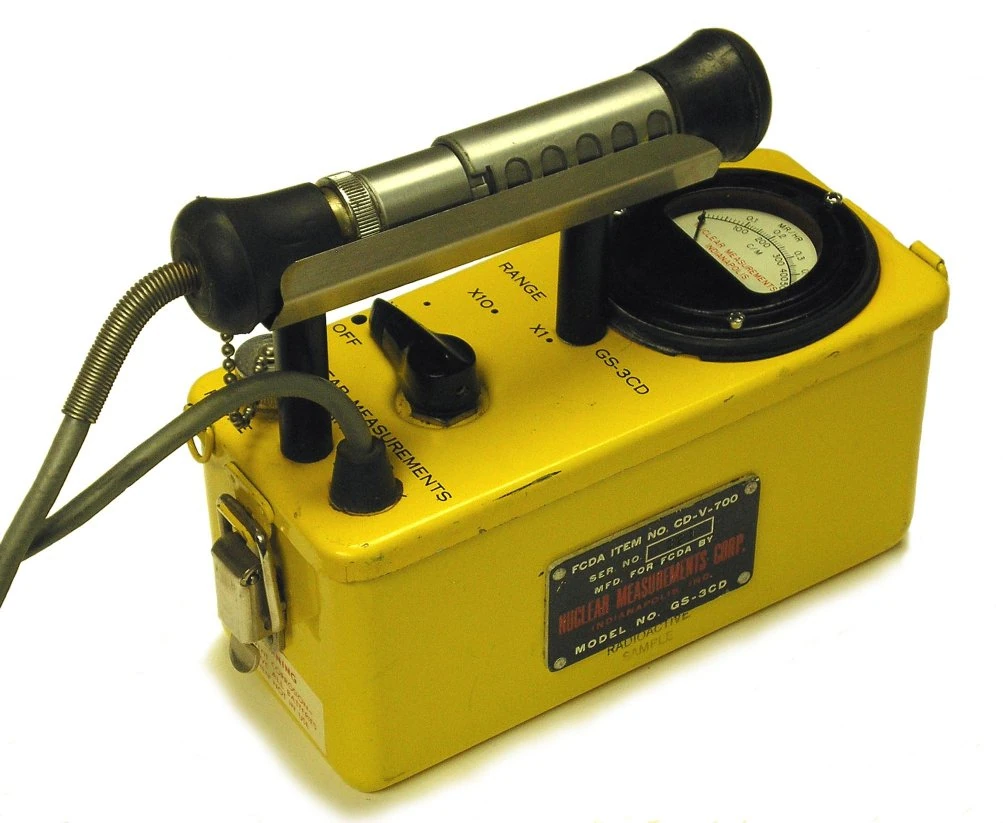
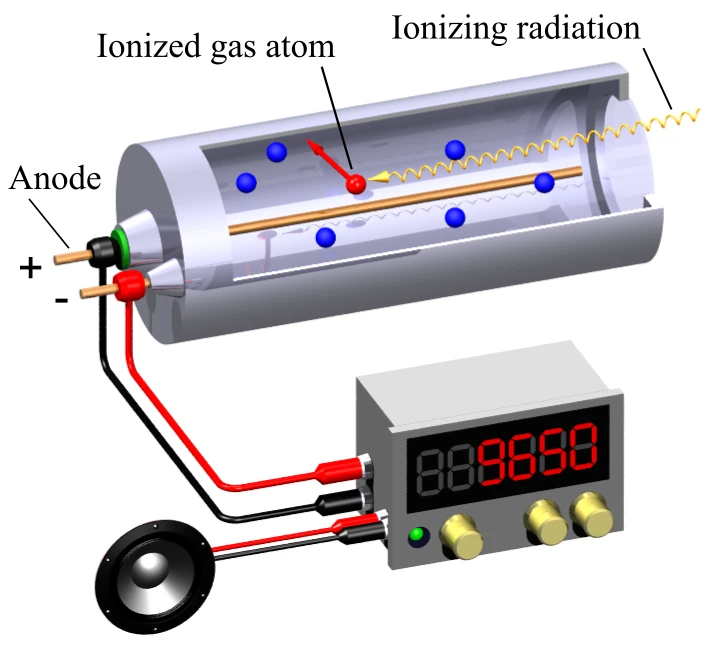
This Geiger Counter Has Few Parts on hackaday.com
DIY Geiger Counter Is Sure To Generate Clicks on hackaday.com
Extra videos
Synthetic Sensors: Towards General-Purpose Sensing
We explore the notion of general-purpose sensing, wherein a single, highly capable sensor can indirectly monitor a large context, without direct instrumentation of objects. Further, through what we call Synthetic Sensors, we can virtualize raw sensor data into actionable feeds, while simultaneously mitigating immediate privacy issues. We deployed our system across many months and environments, the results of which show the versatility, accuracy and potential of our approach.
📺 video on youtube.com
Light triangulation touch sensor
This tutorial is about helping people to build their own touch screen solution based on any flat screen TV. It uses light triangulation technology to read the coordinates. This method is quite cheap ( the priciest part is the TV), with a good quality image and you can make the table almost as small and as thin as your TV is.
📺 video on youtube.com and project on hackaday.io
Wifi human scanner
Artificial intelligence senses people through walls Wireless smart-home system from the Computer Science and Artificial Intelligence Laboratory could monitor diseases and help the elderly “age in place.”
📺 video on youtube.com and article on mit.edu
3d printed capacitive sensors
The Human Media lab introduces a method for seamlessly integrating simple touch and pressure sensors directly into 3D printed objects.
📺 video on youtube.com and article on hml.cs.ru.nl
Recognising gestures from wifi changes
We introduce AllSee, the first gesture-recognition system that can operate on a range of computing devices including those with no batteries.
📺 video on youtube.com and article on allsee.cs.washington.edu
Pencil capacitive sensors
Want to make a touch sensor with an Arduino? All you need is a pencil and a sheet of paper!
📺 video on youtube.com, article on exertiongameslab.org and tutorial on instructables.com
3D printed wifi connected objects
University of Washington researchers have developed a way to 3D print plastic objects and sensors capable of communicating wirelessly with other smart devices, without the need for batteries or other electronics.
📺 video on youtube.com and article on cs.washington.edu
Audio surveillance via window panes
RV Jones demonstrates the hottest spy gadget in espionage stories at the time - a laser eavesdropper.
📺 video on youtube.com
OpenCV and raspberryPi Ping Pong
This is a Raspberry Pi Ping Pong Juggling Robot.
📺 video on youtube.com, blog post on electrondust.com and the python on github.com
Wall++: Room-Scale Interactive and Context-Aware Sensing
We present Wall++, a low-cost sensing approach that allows walls to become a smart infrastructure. Instead of merely separating spaces, walls can now enhance rooms with sensing and interactivity. Our wall treatment and sensing hardware can track users’ touch and gestures, as well as estimate body pose if they are close. By capturing airborne electromagnetic noise, we can also detect what appliances are active and where they are located.
📺 video on youtube.com and more info at yang-zhang.me
Future Interfaces Group video list

The Future Interfaces Group (FIG) is an interdisciplinary research laboratory within the Human-Computer Interaction Institute at Carnegie Mellon University. We create new sensing and interface technologies that aim to make interactions between humans and computers more fluid, intuitive, and powerful. These efforts often lie in emerging use modalities, such as wearable computing, touch interfaces and gestural interaction.
Future Interfaces Group video list on youtube.com and their main website figlab.com